Tour Types · Culture & Heritage

Five centuries,
still standing

Cobblestone streets that predate the American Revolution, rice terraces older than Rome's Colosseum, and indigenous traditions that never broke. The Philippines' heritage layer surprises every traveller who came for beaches.

SitesUNESCO-listed
GuidesHistorians & locals
RegionsLuzon · Visayas · Mindanao
PaceWalk, listen, sit

Older than
the postcards say

The Philippines' history is a crossing point: Chinese traders before Europe arrived, three centuries of Spanish galleons, half a century American, and beneath all of it indigenous cultures that were never conquered so much as negotiated with. The physical record is extraordinary and badly under-visited.

Vigan is the flagship: a UNESCO World Heritage city of cobblestone streets and called houses where kalesa carriages still clop past pottery kilns working the same clay for centuries. The Cordillera rice terraces are older still, carved by hand across mountainsides two thousand years ago and farmed without interruption to this day. Cebu carries the Spanish arrival itself: Magellan's Cross, the Basilica del Santo Niño, and a heritage district built for walking.

We build culture as a living layer, not a museum run. The weavers of Bukidnon's Talaandig community, the outreach programs of Banaue, the honesty coffee shop of Batanes: the heritage that matters most in the Philippines is being practised, not preserved under glass. Our guides are historians where history needs them and neighbours everywhere else.
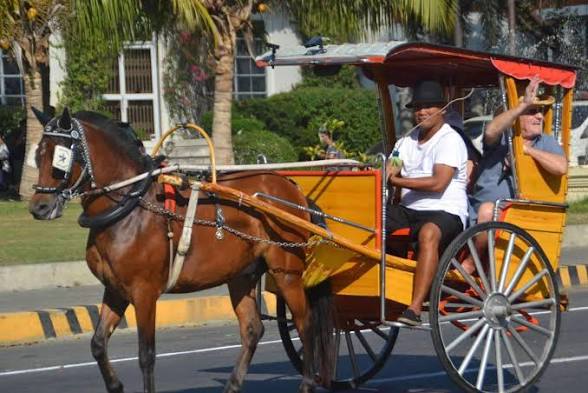
Kalesa horse carriage on Calle Crisologo, Vigan, Philippines
Calle Crisologo
Vigan, Ilocos Sur
UNESCO World Heritage

Where the centuries are

Heritage, by traveller

🏛️
The Historians

Depth over breadth: three centuries of Spanish colonial architecture, the galleon trade's Chinese roots, and WWII's Philippine theatre with guides who argue about dates.

🧶
The Makers

Living craft: Talaandig weaving, Vigan pottery thrown by hand, Banaue's rice-cycle rituals. Sessions are with the artisans themselves, not demonstrations for tourists.

⛪
The Pilgrims

Santo Niño devotion, Simbang Gabi at dawn, and the church calendar that still structures Filipino life, explained from inside by guides who live it.

📷
The Slow Walkers

Heritage districts built on foot: Vigan at dusk, Cebu's Parian in the morning, and the patience to sit in a plaza and watch a town work.

What to know
before you go

Where the Layers Are

Vigan and Ilocos for Spanish colonial; the Cordillera for pre-colonial living heritage; Cebu for the arrival itself; Bukidnon and Batanes for cultures that never broke.

Best Season

Heritage cities are year-round. The Cordillera is best in the dry months, December to May, when the terraces are walkable and the mountain roads are calm.

Respect & Access

Indigenous sites are visited by invitation, with community consent and fees that stay in the village. Some ceremonies are not open, and we say so before you ask.

How Long

Vigan earns two nights on a Luzon loop. Cebu's heritage district is a day within a longer island journey. The Cordillera deserves three nights minimum, altitude included.

Transfers

Heritage sites cluster north of Manila: Vigan and Ilocos five hours by road or a short flight; Banaue eight hours by road, worth every hour. We route so the long drive happens once.

A Word on Depth

A marker and a date is not heritage. The difference is a guide whose grandmother farmed the terrace, and time to hear it.

One day, not one week?

Bohol,
as a private day

The Chocolate Hills, the tarsiers and the river in one unhurried loop: one private car, one guide, and the day set to your pace.

See the private day tour

Walk the centuries.

We build heritage journeys with the historians, artisans and communities themselves, routed so the old roads are travelled once and properly.

Start Planning Three Journeys Through the Philippines