The Philippines You Didn't Know Existed
Most visitors to the Philippines arrive looking for beaches. What Baguio and the Cordillera highlands offer is something entirely different — and, for the right traveller, far more extraordinary. Pine trees instead of coconut palms. Mist instead of heat. A mountain culture that colonialism never fully reached, still living in its own rhythm at 1,500 metres above sea level.
Baguio is the Philippines' summer capital, cool and pine-scented and genuinely unlike anywhere else in the archipelago. But the Arkipelago journey begins where the tour buses end — in the highland villages, on the ridge trails, in the rice terrace communities of Benguet where the Igorot people have been farming the same steep slopes for over two thousand years. We bring clients here not for the city, but for what lies beyond it.
"No beaches. No lagoons. Just extraordinary highland culture and scenery that will make you rethink everything you thought you knew about the Philippines."
Beyond the Usual Baguio
Yes, BenCab Museum is worth every minute — Benedicto Cabrera's singular collection of Igorot artifacts and contemporary Filipino art sits inside one of the most beautifully designed museum grounds in the country, surrounded by terraced gardens and a forest that feels entirely removed from the city below. Camp John Hay's colonial walking paths through old-growth pine forest are genuinely lovely at the right hour. The Botanical Garden at dawn, before it opens to anyone else, is one of those quiet urban moments that stays with you.
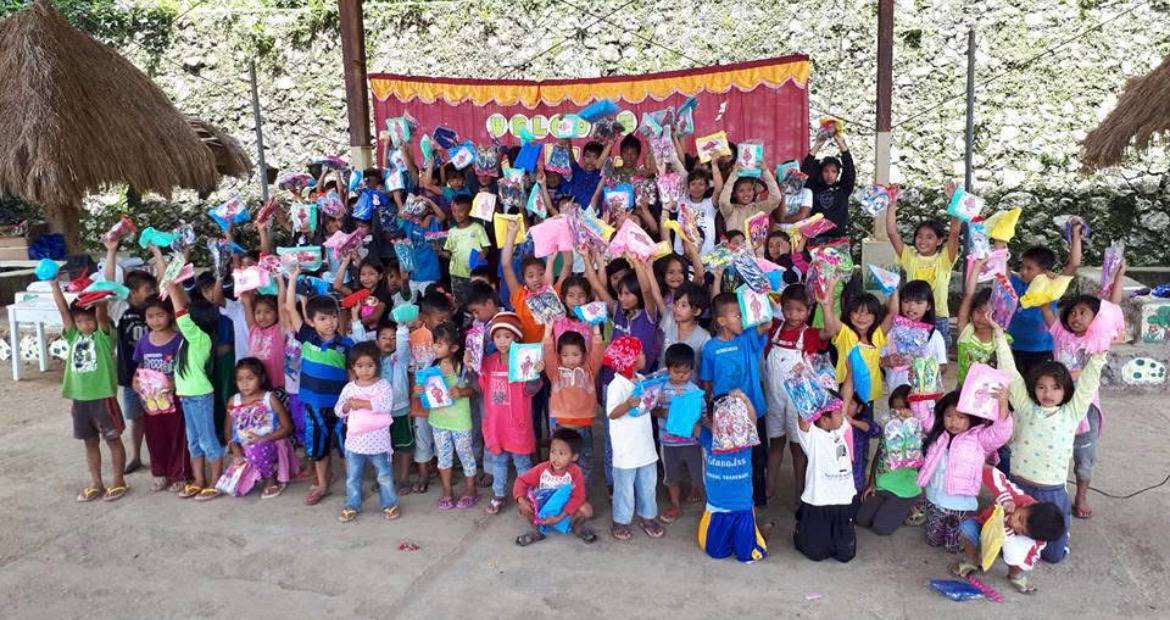
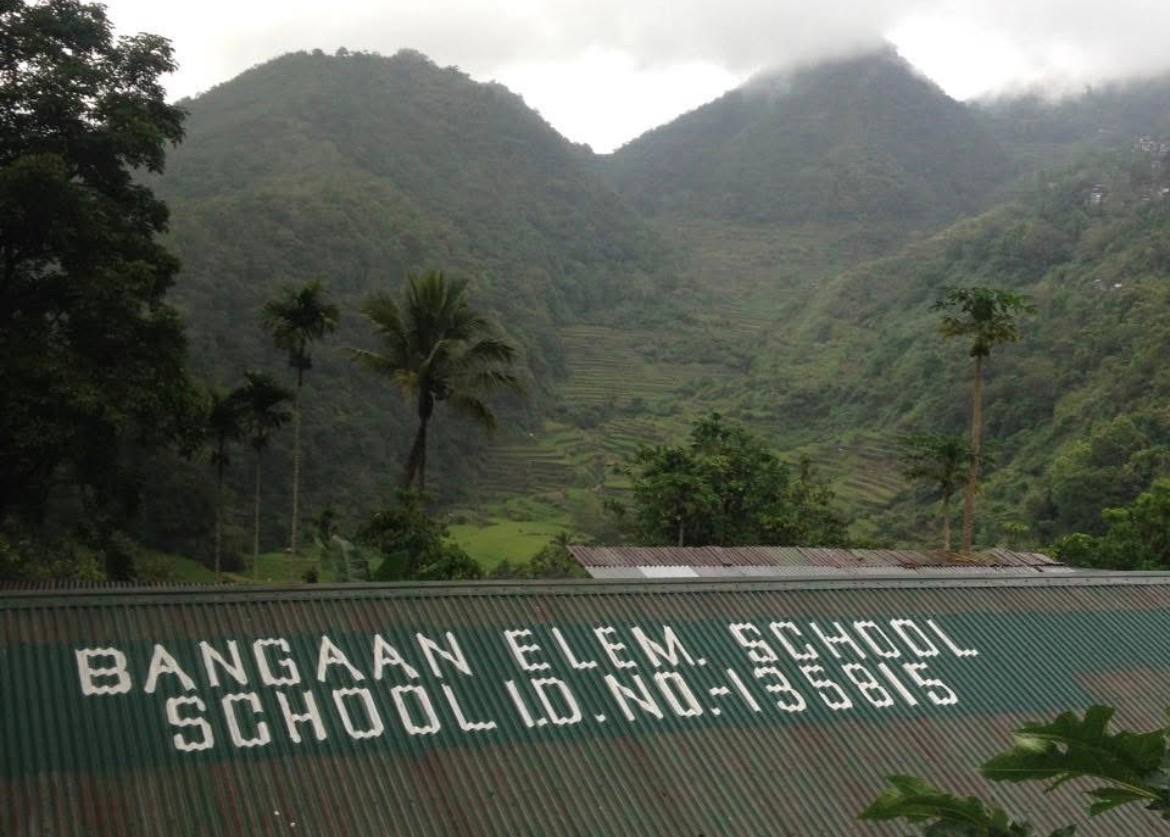
But what Arkipelago is really taking you to is something the standard Baguio itinerary never reaches: the Timawan Village immersion, where living Igorot tradition is still practised in full; the highland hikes above the terraces, where the trails are known only to the barangay residents who use them daily; and the rice terrace communities in Benguet where, for several years, we have brought school supplies to the children of a local elementary school sitting right at the edge of the terraces.
Travel With Purpose
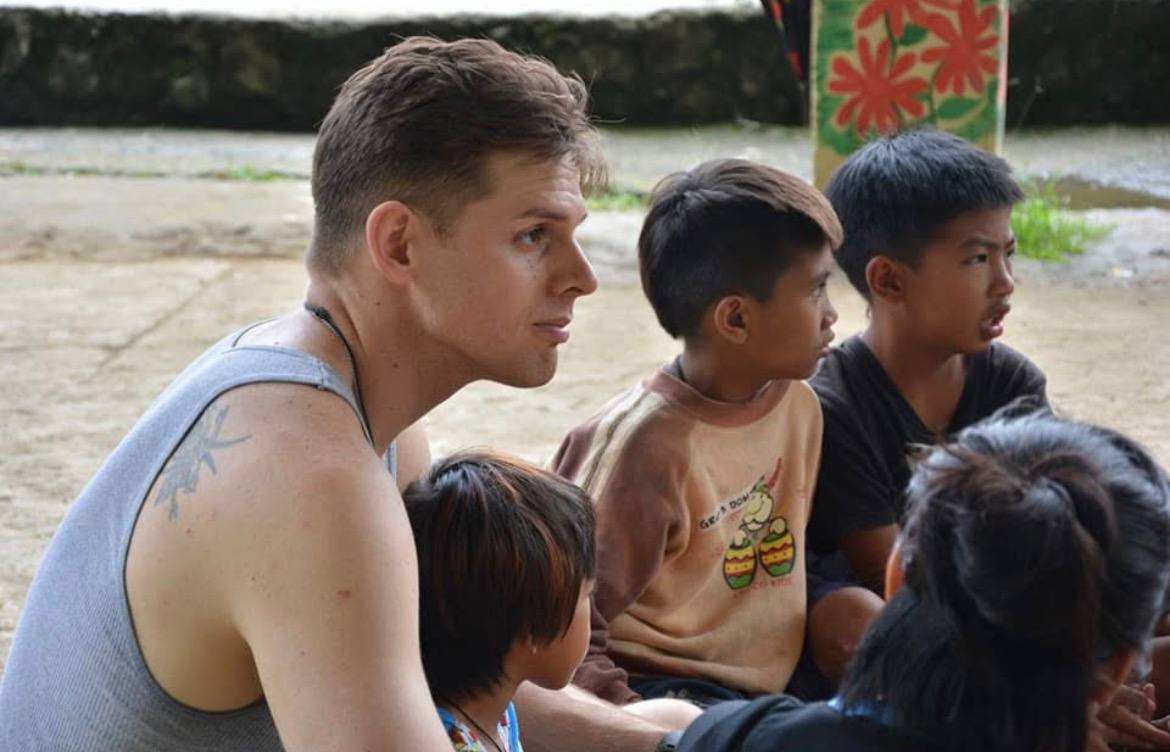
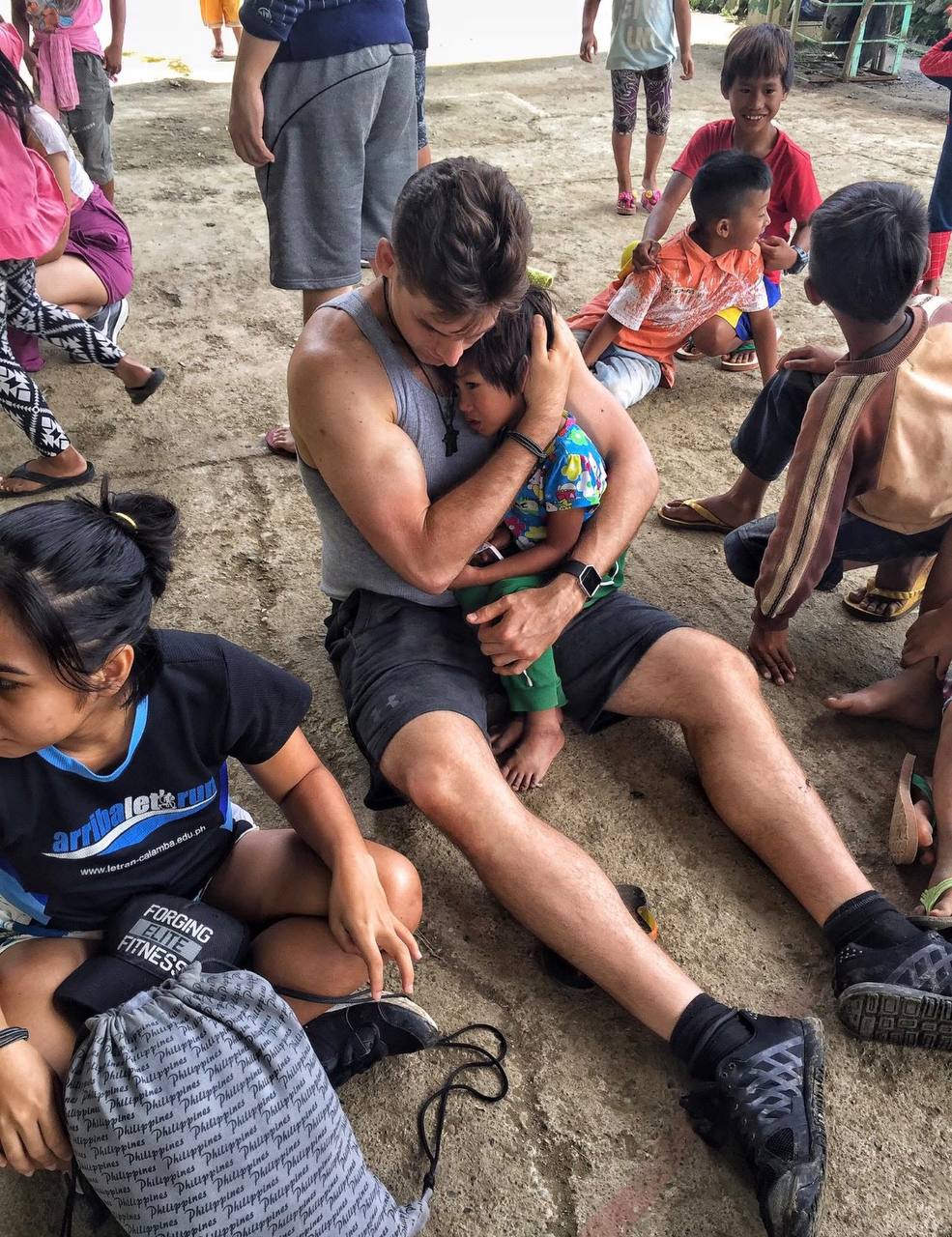
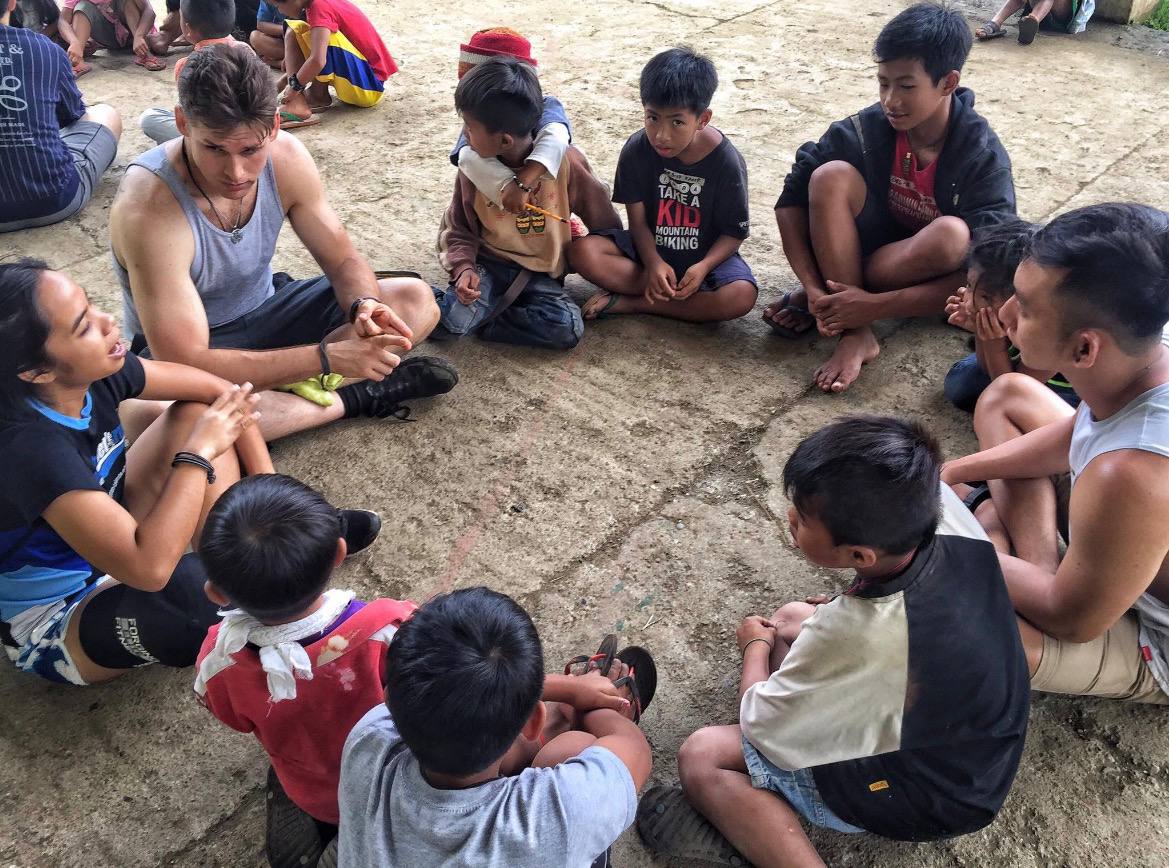
Arkipelago has been bringing supplies to a highland elementary school community in Benguet for years. This is not a scheduled programme or a checkbox on an itinerary. It is a relationship. Clients who join these visits contribute directly to the school and meet the teachers and children who make this community what it is. It is, without exception, the part of the journey they describe when they get home.
The Hikes
Mt. Ulap in Ampucao, Itogon is the centrepiece — a 9.4-kilometre trail through mossy forest, open grasslands, and cloud-level ridges with views across the Benguet valleys that are genuinely difficult to describe to someone who hasn't stood there. It is not a difficult hike by technical standards, but it is long, it is remote, and it requires a guide who actually knows the trail rather than someone holding a laminated map. Our guides are from these mountains.
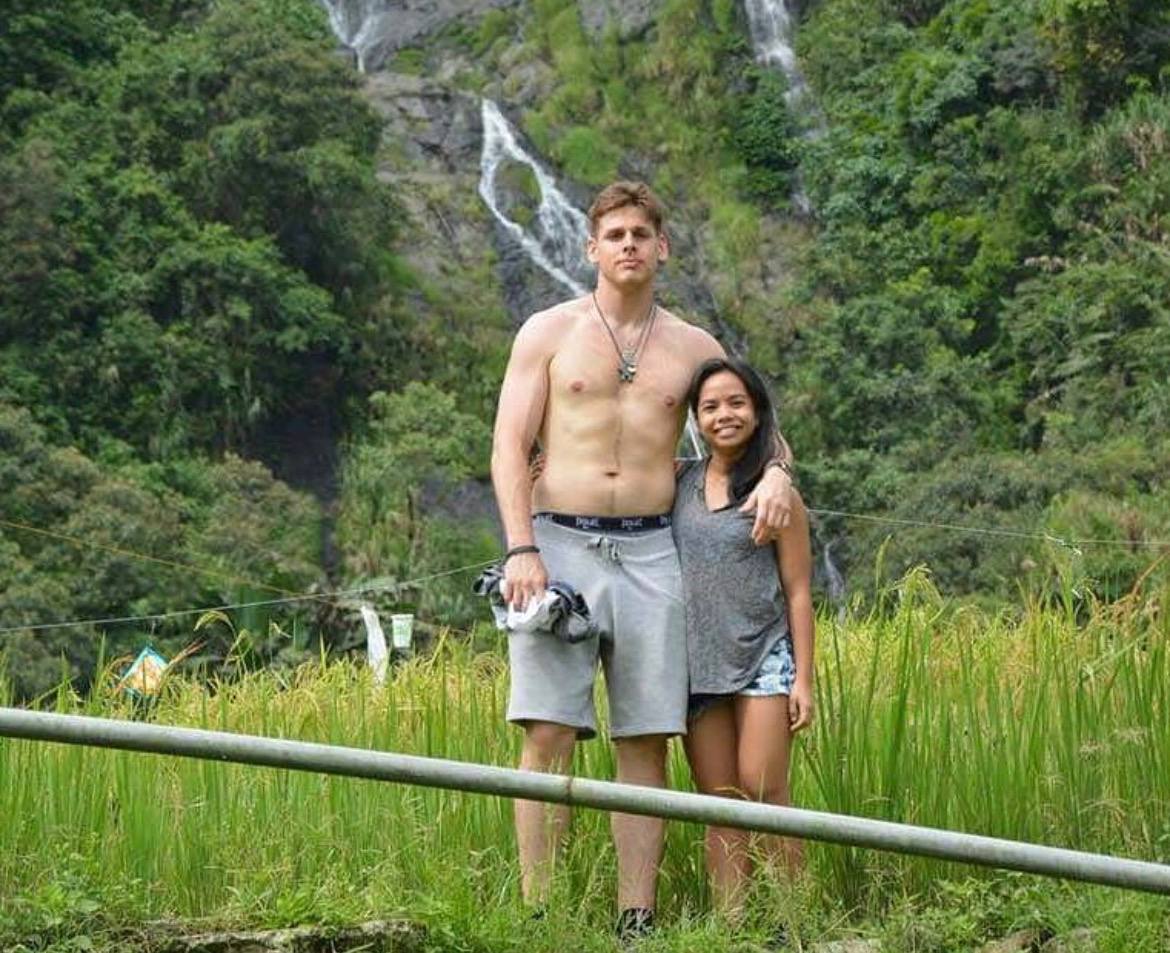
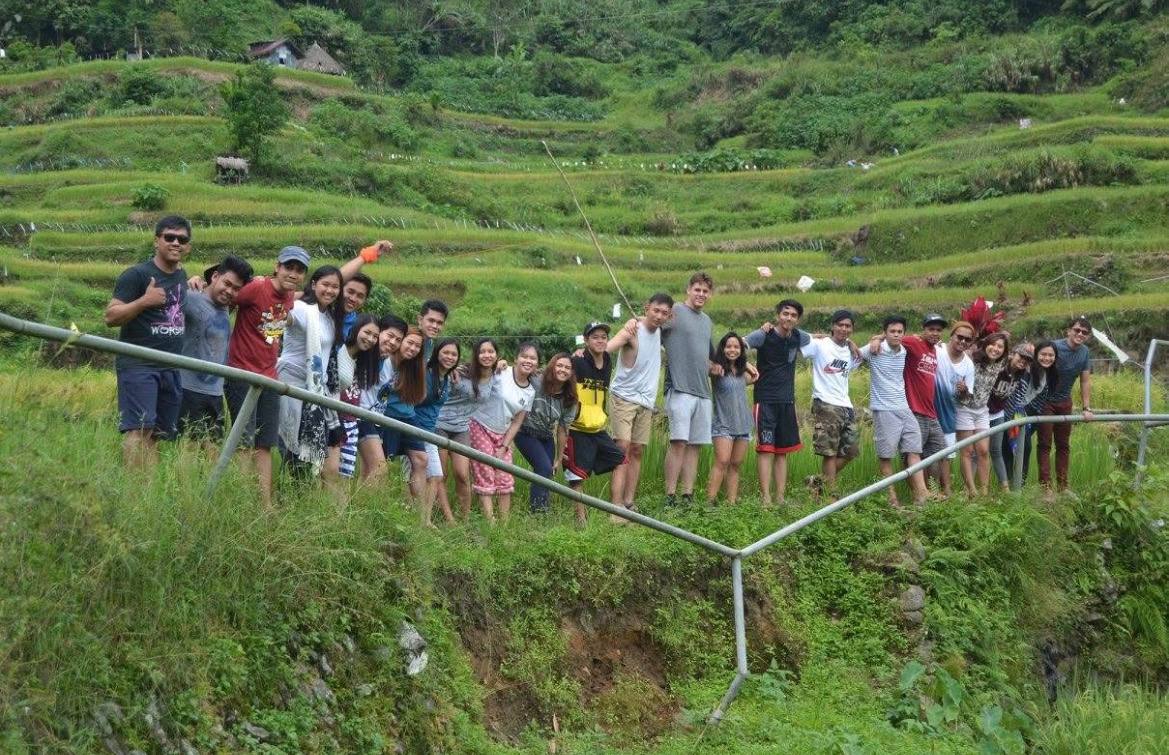
Beyond Mt. Ulap: the ridge trails above the Benguet rice terraces, accessible only on foot and only with a local escort, are among the most beautiful walks in the Philippines. Early morning, before the mist burns off. The terraces below you still catching the first light. No other visitors. This is what we mean when we say the Philippines as it was always meant to be experienced.
Key Experiences
Mt. Ulap Trail
9.4km through mossy forest and open ridges above Itogon. Cloud-level views across the Benguet valleys. Best at first light, before the mist lifts.
Benguet Rice Terrace Hikes
Private trails above the highland terraces, walked with local guides from the farming communities. The views are extraordinary. The access is ours alone.
Timawan Village
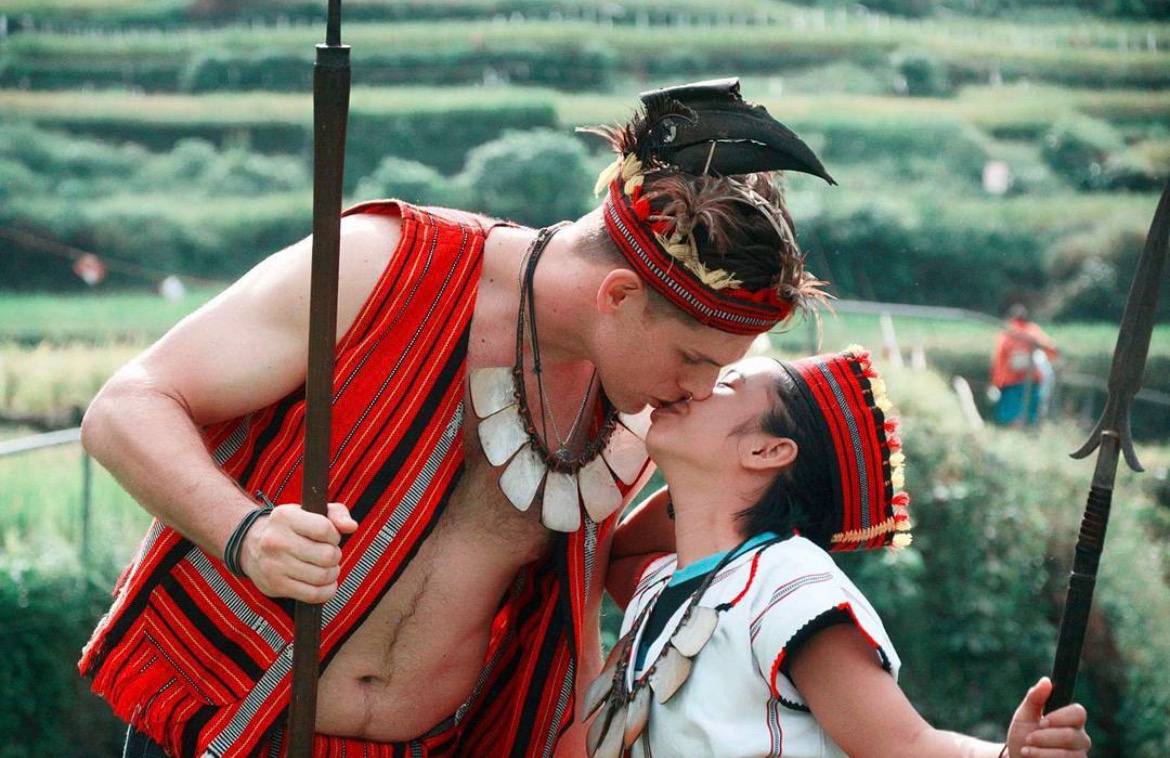
An Igorot cultural village where living tradition is still practised — not performed for tourists. We go with introductions from people who belong here.
BenCab Museum
Benedicto Cabrera's remarkable collection of Igorot artifacts and Filipino contemporary art, set in terraced gardens above the city. Best visited mid-morning on a weekday.
Camp John Hay Forest Walks
The old American colonial rest camp, now a pine-forested retreat with long walking paths through trees that were already old when the camp was built. Quiet at dawn.
Sagada Hanging Coffins
The Igorot tradition of placing the dead in coffins on limestone cliffs — a 2,000-year practice, still observed. One of the most visually striking cultural sites in Asia.
Sumaguing Cave, Sagada
An extraordinary limestone cave system with cathedral chambers and underground pools. A 2-3 hour spelunking journey with a guide who has been leading this route for years.
Banaue Rice Terraces
The 2,000-year-old UNESCO World Heritage agricultural wonder. We take clients to the less-visited viewpoints — the ones the tour buses can't reach — and we go before anyone else wakes up.
When to Visit
Best Season
November – May. Dry season. Clear mountain views, reliable hiking conditions, mild temperatures. December through February is peak — book accommodation well in advance.
Shoulder
October and June. Can be unpredictable. Some rain, some clear days. The upside: fewer visitors, dramatically atmospheric skies, lower accommodation rates.
Avoid
July – September. Heavy rain, occasional road closures on mountain routes. Some trails become impassable. Not the season for highland hiking.
Note: Baguio is cool year-round — 15–23°C. Sagada drops to 10°C at night in the dry season. Always pack a layer, always.
How Arkipelago Designs This Journey
The Cordillera is not a destination you can do from the outside. The trails that matter, the village communities that genuinely welcome visitors, the family homes in Benguet where you eat breakfast at a table that has had the same view of the terraces for four generations — none of this is in any guidebook. It comes from relationships that take years to build.
Our Baguio and Sagada journey is designed as a 5 to 8-day highland experience, based either in Baguio city (private villa or the finest boutique property available) or in a lodge in the mountains above the city, with day journeys and one or two nights in Sagada. Every transfer is by private vehicle with a driver who knows these mountain roads. Every guide is Igorot, or has been working in these communities for decades.
For families with older children, the combination of accessible highland hiking, the cave experience in Sagada, and the cultural depth of Timawan Village is one of the most genuinely memorable itineraries in the entire Arkipelago portfolio. For retirees, we pace the journey entirely around comfort and depth — no early departures, expert cultural guides, and afternoons that belong entirely to you.
For Retirees
No departure before 8:30am on any day. The rice terrace viewpoints are extraordinary at mid-morning when the light is right — you do not need to wake before dawn for the best views. Walking distances are discussed and confirmed before each day. The BenCab Museum and Camp John Hay forest walks are entirely accessible. The Sumaguing Cave spelunking is optional, not expected. Expert cultural guides with deep historical knowledge are the standard for every Arkipelago Cordillera journey.
For Families
Older children (10 and up) are genuinely captivated by Sagada's hanging coffins and the cave experience in Sumaguing. Mt. Ulap is manageable for fit children over 12 with proper footwear. The Botanical Garden at Burnham Park works for younger children who need a gentler morning. And for families interested in the school supply visits in Benguet — the experience of meeting the children and teachers at the terraces is something that tends to become the heart of the entire journey.
Begin Your Cordillera Journey
No fixed packages. A conversation, and then a journey built entirely around you.
Request a Journey Consultation
Frequently Asked Questions
What is the best time to visit Baguio and Sagada?
November through May is the dry season and the most reliable window for clear mountain views and comfortable hiking conditions. The highlands are cool year-round — 15 to 23°C in Baguio, colder in Sagada — but the wet season from June to October brings heavy rain and occasional road closures on mountain routes. The shoulder months of November and May offer a good balance of clear weather and fewer visitors.
How do you get to Baguio and Sagada from Manila?
Arkipelago handles all transfers by private vehicle throughout. Baguio is approximately 6 hours from Manila by private car via TPLEX. Sagada is a further 4 to 5 hours from Baguio through mountain roads — dramatic scenery, but requiring an experienced driver who knows these routes. We do not use public transport for any client journey. Chartered domestic flights to Baguio are occasionally available and can be arranged on request.
Can the Baguio and Sagada journey be extended to Kalinga?
Yes — and we consider it one of the most meaningful extensions in the entire Arkipelago portfolio. Apo Whang-Od, the last traditional Kalinga mambabatok, lives in Buscalan village in Tinglayan — approximately 6 to 8 hours from Baguio through some of the most dramatic mountain scenery in Luzon. We design the extension as a 2 to 3-night addition, with an overnight in Bontoc or Tabuk and a guided trek into the village. Respectful engagement with the community is essential, and something we brief clients on carefully beforehand.