The Philippines That No One Has Found Yet
Every conversation about the Philippines eventually settles on the same handful of names. Palawan. Boracay. El Nido. Siargao. These are beautiful places, genuinely so, and they are also, by now, thoroughly known. The photographs have been taken, the crowds have arrived, and the experience has been packaged and sold at scale.
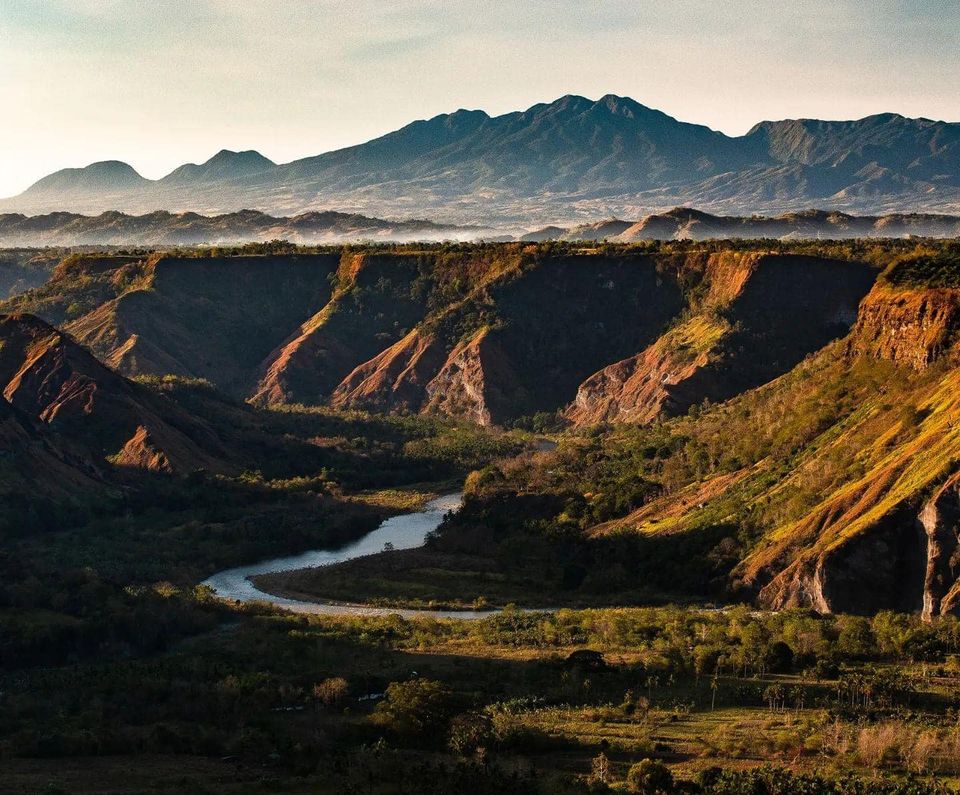
Bukidnon has not been packaged. It has barely been noticed. The plateau in Northern Mindanao is the largest highland expanse in the country, sitting between 600 and 1,200 metres above sea level in cool, persistent green. Multiple indigenous tribes — the Higaonon and the Talaandig among them — maintain living cultural traditions here that have survived colonialism and the general acceleration of Philippine society with their essential character intact. Almost no luxury operator has ever designed an itinerary for it.
Almost no international traveller has been here. Almost no luxury operator has designed an itinerary for it. These are, from our perspective, the same fact stated twice.
What Bukidnon Actually Is
The standard image of the Philippines is coastal — turquoise water, white sand, limestone karst. Bukidnon offers none of these things. What it offers instead is what the Philippines looks like when you travel inland and upward and stop expecting it to be what you have already seen. The plateau is green in the way that highland places are green: deeply and persistently, kept that way by an altitude that holds the temperature below 25 degrees Celsius and rain frequent enough that the land is never dry.
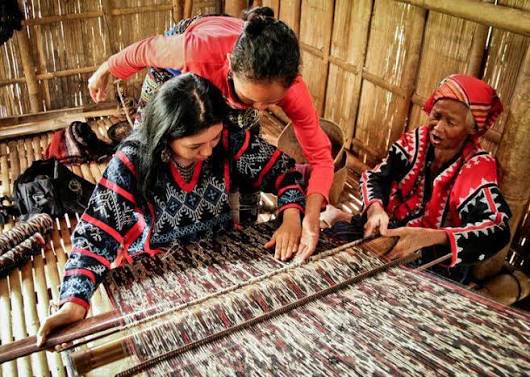
The Del Monte pineapple plantation, operating here since the 1920s and covering a land area larger than some Philippine provinces, stretches to the horizon in regular rows that produce a visual effect unlike anything else in the country. But the tribal culture is the most significant thing Bukidnon offers. The Higaonon and Talaandig peoples are among the most intact indigenous communities in the Philippines, and their weaving, ritual, land stewardship, music, and oral tradition continue not as performance for visitors but as the actual fabric of daily life.
The Kitanglad Mountain Range forms the plateau's northern wall and is one of the most important birdwatching sites in the Philippines. More than 300 species have been recorded here, including numerous Philippine endemics found nowhere else in the world. The Philippine Eagle — the national bird and one of the largest and most endangered raptors on the planet — holds breeding territory within the Kitanglad range.
Key Experiences on a Bukidnon Highlands Journey
Every itinerary is built from scratch around your group. These are the experiences that tend to anchor it.

Bukidnon works exceptionally well as part of a longer Northern Mindanao itinerary, paired with the volcanic island of Camiguin just offshore. Camiguin has more volcanoes per square kilometre than any other island on Earth, along with the Sunken Cemetery — a 19th-century graveyard submerged by a volcanic eruption — the White Island sandbar that appears and disappears with the tides, and the 76-metre Katibawasan Falls. The combination of Bukidnon's highland depth with Camiguin's coastal and volcanic drama is one of the more unusual itineraries in the Arkipelago portfolio.
Best For
Bukidnon is the destination that travellers who have exhausted the standard Philippine itinerary respond to with the kind of intensity only genuinely original experiences produce. The difficulty is not the access. The difficulty is finding an operator who knows how to design it properly.
The indigenous culture of Bukidnon is the most intact example of living tribal tradition accessible to luxury travellers in the Philippines. It requires a local network and a genuine facilitation approach to access properly, and Arkipelago has both.
The cool air, unhurried landscape, and profound cultural content make Bukidnon one of the most genuinely satisfying destinations for retirees who travel to understand rather than to collect. The pace is already slow, the terrain is accessible, and the rewards are substantial.
When to Go
November – April. Highland temperatures range between 15 and 22 degrees Celsius and rainfall is infrequent enough for comfortable travel. Bukidnon is significantly drier year-round than the coastal regions of Mindanao.
October & May. Manageable conditions that bring intermittent rain. The plateau remains accessible throughout, and the atmospheric quality of these months has its own appeal for unhurried travellers.
June – September. The wettest period, though the landscape in this window has a particular atmospheric quality that photographers find valuable. Travel remains possible with flexible daily pacing.
How Arkipelago Designs a Bukidnon Journey
Bukidnon requires local knowledge that most travel operators do not have and cannot acquire quickly. The community relationships that make the tribal village visits genuinely meaningful rather than performative have been built over years by specific individuals in the Arkipelago network. The plantation access, the birding contacts within the Kitanglad park, and the specific local arrangements that fit both the highland environment and Arkipelago's quality standards are all products of this network.
A typical Bukidnon itinerary runs four to seven days, either as a standalone highland journey or as part of a longer Northern Mindanao route. Arkipelago designs to the specific interest of each traveller and never presents a fixed format.
Begin Planning Your Bukidnon Highlands Journey
No fixed packages. A conversation, and then a journey built entirely around you.
Begin Your Journey