The Philippines Nobody Goes To
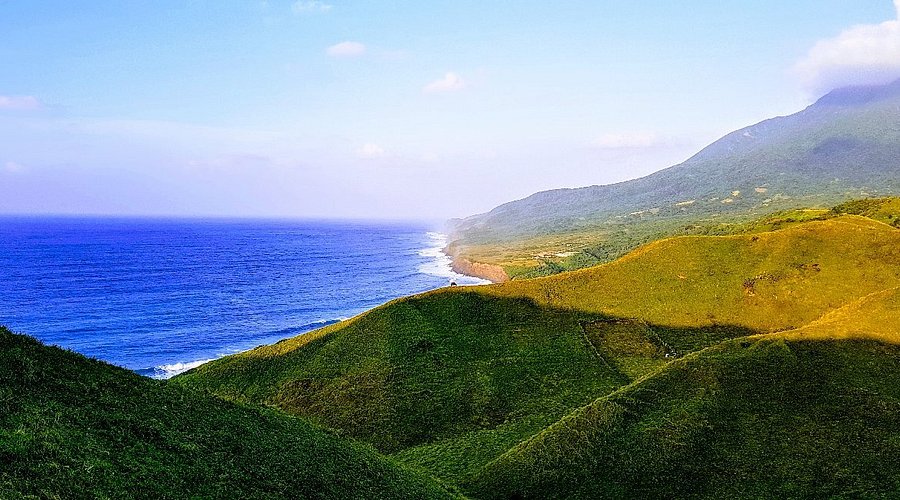
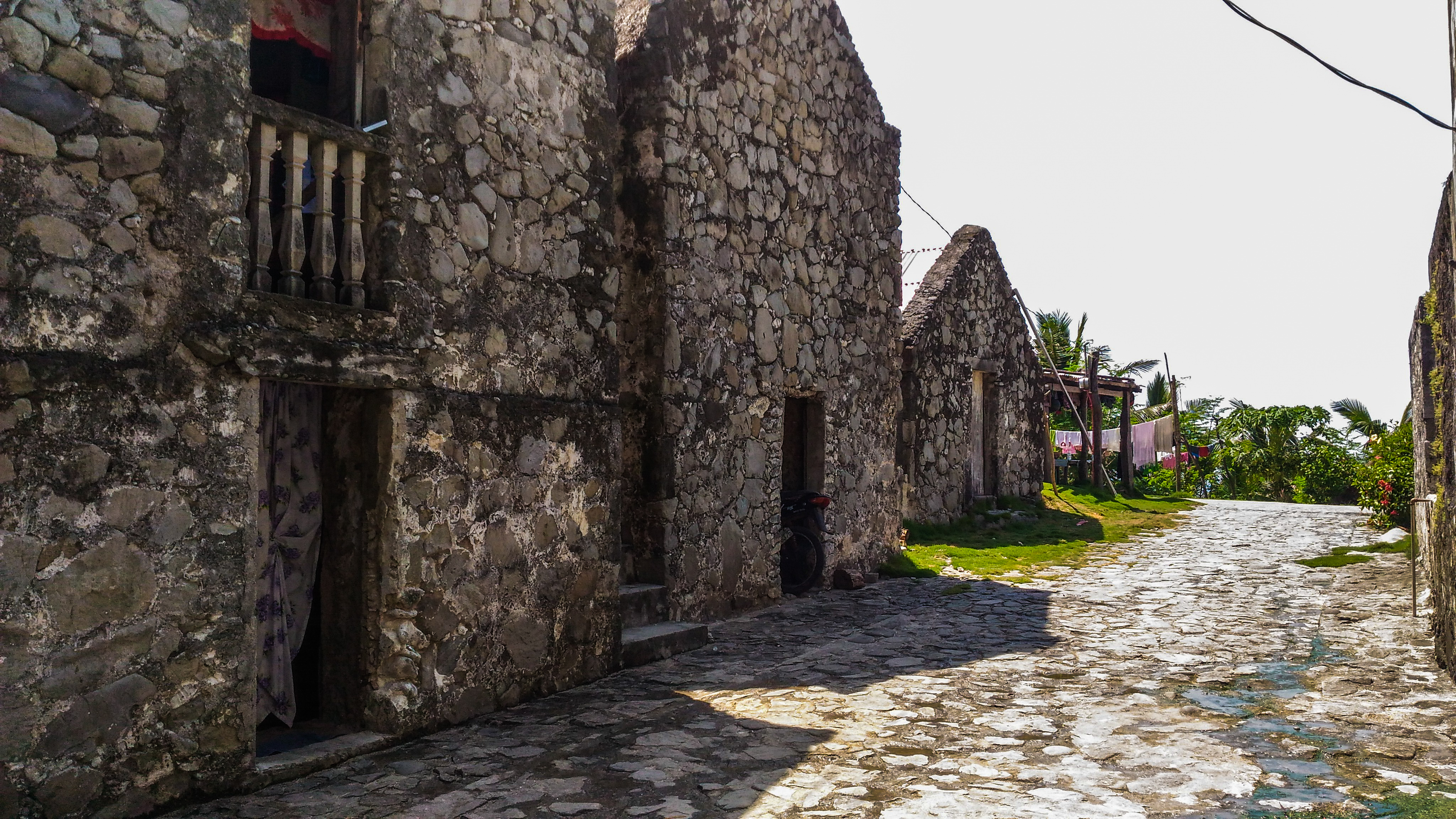
Batanes does not look like the Philippines. The hills are too green, too rounded, too relentlessly Irish. The stone houses that the Ivatan people have been building here for centuries are not the nipa huts and cinder block constructions of the lowlands. They are thick-walled, low-roofed, grass-thatched structures engineered to survive the most powerful typhoons in the Pacific, and they have been doing exactly that for longer than most Philippine cities have existed.
There are no crowds in Batanes. There are no tour buses, no souvenir strips, no beach clubs. The islands sit at the northern extreme of the Philippine archipelago, above the Babuyan Channel and just south of Taiwan, accessible only by a small propeller aircraft from Manila or Tuguegarao. The flight takes between ninety minutes and two hours. The number of visitors who reach Batanes in an entire year is roughly what Boracay receives on a single busy weekend.
For the traveller who has spent time in the headline destinations and found something missing, Batanes is what was missing.
What Makes Batanes Different
The standard description of Batanes mentions the stone houses, the rolling hills, the dramatic coastline. These things are accurate and they do not capture it. What Batanes actually delivers is a quality of atmosphere that most places in the modern world have entirely lost.
The Ivatan people, the indigenous inhabitants of these islands, operate much of their community on an honour system. The famous honesty coffee shop in Ivana, a roadside stall with no attendant and a tin for payment, is not a novelty or a tourist attraction. It is how things work here. Goods are left unattended. Vegetables are sold from unmanned roadside tables. The social contract between the Ivatan community is intact in a way that has not been possible at scale in most of Asia for generations.
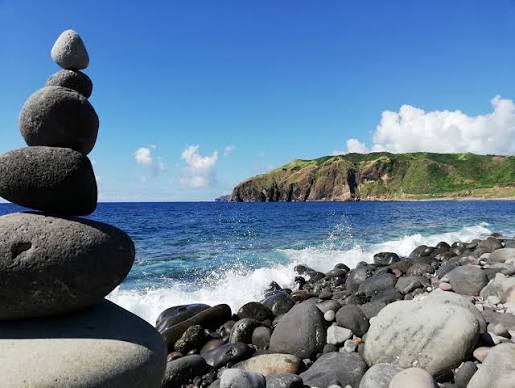
The landscape compounds this. Batan Island, the main island and the one where most visitors stay, is traversed by roads that wind through hillside farmland at a pace suited to the carabao that shares them with the occasional vehicle. The coastline alternates between dramatic volcanic cliffs and small fishing coves where bancas are pulled up on black sand. The light in Batanes, filtered through the particular combination of maritime air and altitude that this latitude produces, has a quality that photographers who visit once tend to return for.
Sabtang Island, accessible by a 30-minute boat crossing from Batan, is where the most intact Ivatan stone house villages survive. Chavayan, a settlement that appears in no Condé Nast feature and almost no travel writing in English, is a collection of these traditional structures arranged along narrow paths in a landscape that looks as though it has not been touched since the 18th century. It has not.
The unmanned honesty coffee shop in Ivana, and the roadside tables that operate on the same principle, are not a scheduled activity. They are something that happens in the course of moving through the islands at a pace that allows it to be noticed. Your guide provides the context. The experience itself is what stays.
Key Experiences on a Batanes Private Journey
Every itinerary is built from scratch around the traveller. These are the experiences that tend to anchor it.
Best For
Batanes is the destination seasoned travellers consistently describe as the place in Southeast Asia they did not know existed. It serves the independent traveller, the retiree, and the couple seeking something genuinely different with equal depth, each for entirely different reasons.
For the traveller who has visited Thailand, Bali, Vietnam, and the standard Philippine destinations and is looking for the thing that does not yet have a line outside it, this is that thing. The difficulty of access is, from Arkipelago's perspective, the feature rather than the limitation.
The pace of life in Batanes is the pace Arkipelago designs retiree itineraries around everywhere else. Here it is simply how the place already operates. No early morning rush, no need to beat the crowds, no compromise on access. The cultural depth, the landscape, and the quality of stillness are exactly what retirees who want their travel to mean something are looking for.
For couples who have done the Maldives and Bali and want the trip that does not resemble anything they or their friends have taken, Batanes offers complete originality. Being this far off the standard itinerary, together, in a place this untouched, is its own particular kind of luxury.
When to Go
February – June. The dry season is the accessible window. The weather is stable, the propeller aircraft to Batan operates reliably, and the sea crossings to Sabtang are consistently manageable. Skies are dramatic rather than grey, and the hills are at their most intensely green.
November – January. Conditions are manageable but less reliable than the peak season. The dramatic storm light that characterises Batanes in this period is genuinely beautiful for photographers willing to accept the logistical uncertainty.
July – October. Batanes sits directly in the path of most Pacific typhoons making landfall on Luzon, and flight cancellations are frequent and unpredictable. Arkipelago does not design Batanes itineraries for this window.
How Arkipelago Designs a Batanes Journey
Batanes requires more logistical preparation than any other destination in the Arkipelago portfolio. The flight schedules from Manila and Tuguegarao are limited, and seats during the peak February to June season fill early. The boat crossings to the outer islands run on conditions that no booking platform can guarantee.
Arkipelago's network in Batanes is built from years of working with the specific guides and boat operators who understand the islands the way island communities understand themselves. The arrangements are made personally, confirmed in detail, and held with contingency plans for the weather variables that are simply part of what Batanes is.
A typical Batanes itinerary runs four to six days. Fewer than four days does not allow the pace to settle. More than six days begins to cover the same ground. Arkipelago designs within that range based on what the specific traveller is looking for and how much of the journey they want to spend simply being somewhere rather than moving through it.
Plan Your Batanes Journey
No fixed packages. A conversation, and then a journey built entirely around you.
Begin Your Journey