The Best-Preserved Spanish Colonial City in Asia
Calle Crisologo at five in the morning, before the kalesas and the tourists and the first tour buses arrive from Laoag, is one of the most complete sensory experiences the Philippines offers. The cobblestones are original. The ancestral houses on either side, built between the 17th and 19th centuries by mestizo merchant families who became wealthy on the Manila galleon trade, have been continuously inhabited. The lamps are lit. The silence is absolute except for the sound your shoes make on stone that has heard every significant thing that happened in this city since 1572.
Vigan is a UNESCO World Heritage Site, and specifically it is the only surviving example in Asia of a Spanish colonial town that was planned and built according to the Hispanic urban grid system. Other colonial cities in the region have been rebuilt, modified, or destroyed. Vigan was not. Its 16th-century street plan is intact. Its ancestral architecture is intact. The culture that developed within those streets over five centuries of Chinese, Ilocano, and Spanish influence is more than intact. It is alive.
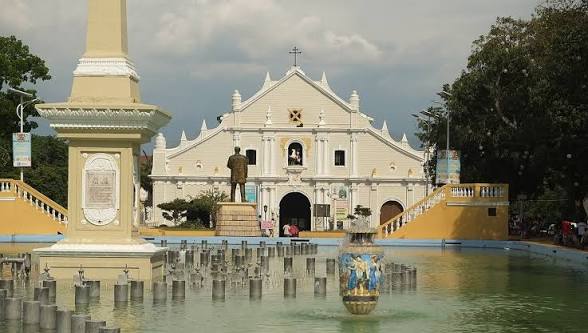
Vigan is the place that genuinely surprises in person, in a way that photographs have never adequately prepared anyone for.
What Vigan Actually Is
Vigan was founded in 1572 by Juan de Salcedo, a Spanish conquistador and grandson of the Governor-General. The city's location at the mouth of the Mestizo River made it the centre of trade between China, the Philippines, and the wider Spanish colonial empire for the next three centuries. Chinese merchants, known as Sangleys, settled in the quarter adjacent to the river and brought with them the architectural traditions, the ceramic techniques, and the commercial practices that fused with Spanish colonial urban planning to produce something that exists nowhere else on Earth.
The result, preserved largely by the city's relative geographic isolation during the 20th century and more deliberately since UNESCO designation, is a 25-hectare historic core of cobblestone streets lined with ancestral houses whose facades combine Ilocano, Chinese, and Spanish architectural vocabulary in proportions that vary from building to building without ever becoming incoherent. The bell tower of the Vigan Cathedral, built in 1641 and rebuilt after earthquake damage in a style that accommodates seismic activity by separating the tower from the main structure, is visible from almost every point in the historic centre.
The Syquia Mansion, former ancestral home of Elpidio Quirino who served as the sixth President of the Philippines, is preserved as a museum with an interior that provides an unusually detailed picture of elite colonial-era Filipino domestic life. The burnay pottery tradition, brought to Vigan by Chinese settlers and still practised in the kilns on the Mestizo River at Pagburnayan, produces the distinctive dark ceramic jars that have been made here continuously for approximately 400 years.
The 25-hectare historic centre is the anchor of any Ilocos journey, a continuously inhabited Spanish colonial grid where Ilocano, Chinese, and Spanish architectural traditions fused into something that exists nowhere else on Earth, and which most travellers have never been adequately prepared for.
The Wider Ilocos Region
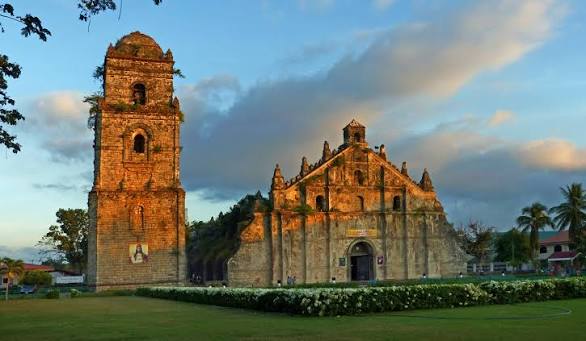
The Vigan historic core is the anchor of any Ilocos journey, but the region extends considerably beyond the city walls. These are the regional sites that most often complete a North Luzon heritage itinerary.
Key Experiences in Vigan
Every itinerary is built from scratch around your interests. These are the experiences that tend to anchor a Vigan morning.
Best For
Vigan and the Ilocos region hold the strongest cultural content in the entire Arkipelago portfolio. For travellers whose priority is depth of understanding rather than physical activity, this journey consistently delivers the most. The terrain is accessible, the pace is entirely unhurried, and the material is genuinely extraordinary for anyone who brings real curiosity to what they are seeing.
For retirees whose travel priority is depth of understanding rather than physical activity, this journey consistently delivers the most. Arkipelago designs Ilocos itineraries with no departures before 8:30 in the morning, afternoon rest periods, and guides who understand that the point of a well-designed cultural day is not how many sites it covers but how completely it illuminates the ones it does.
Vigan is the Philippine destination that travellers with significant experience in Southeast Asia most consistently respond to with genuine surprise. The fact that it is not on the standard Philippine itinerary is itself the opportunity. It is the story most people in their social circle have not yet told, and the one that those who make the trip tend to tell for years afterward.
Vigan and Ilocos combine naturally with Baguio and Sagada to form one of Arkipelago's signature North Luzon heritage journeys. The contrasts are complementary: the colonial urban heritage of the Ilocos coast against the indigenous highland culture of the Cordillera mountains. Seven to ten days covers both destinations without rushing either.
When to Go
November – April. Dry season conditions are consistent, the heat is manageable in the morning hours when the main heritage sites are visited, and the quality of light for photography is at its most favourable.
March – May. It can be very hot in the Ilocos lowlands. Arkipelago designs itineraries in this period with morning-heavy scheduling and afternoon rest periods so the heat is never the defining feature of a day.
May – October. Heat and intermittent rainfall. The heritage sites remain accessible year-round, and reduced visitor numbers have their own appeal, though typhoon tracks occasionally affect the Ilocos coast in October and November.
How Arkipelago Designs This Journey
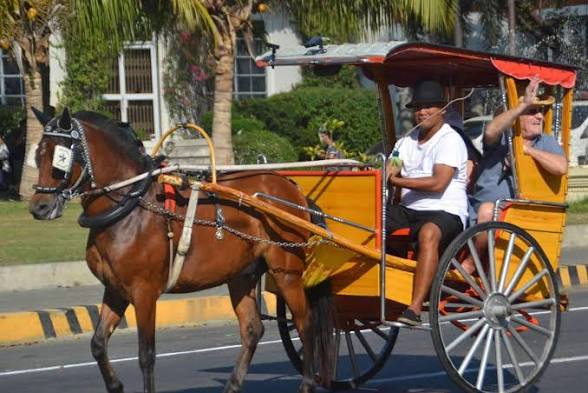
An Ilocos heritage journey requires a guide who understands the material at a level that the standard Vigan tour does not provide. The difference between a kalesa ride down Calle Crisologo with a guide reciting dates and a private morning in the same street with a guide who can explain the specific families who built each facade, what their commercial interests were, and how those interests shaped the architecture you are looking at, is the difference between a photograph and an understanding.
Arkipelago's guide network in the Ilocos region includes individuals who have spent their professional lives in the history and heritage of this specific corner of the Philippines. The arrangements, from the timing of the Calle Crisologo dawn visit to the pottery kiln access to Paoay Church at sunset, are made with a level of specificity that reflects how seriously this destination takes the travellers who come to it properly.
A typical Vigan and Ilocos itinerary runs four to six days standalone, or seven to ten days as part of a broader North Luzon journey paired with Baguio and Sagada. Arkipelago designs to whatever the specific traveller's interests and available time actually require.
Plan Your Vigan and Ilocos Heritage Journey
No fixed packages. A conversation, and then a journey built entirely around you.
Begin Your Journey