Tour Types · Beach & Islands
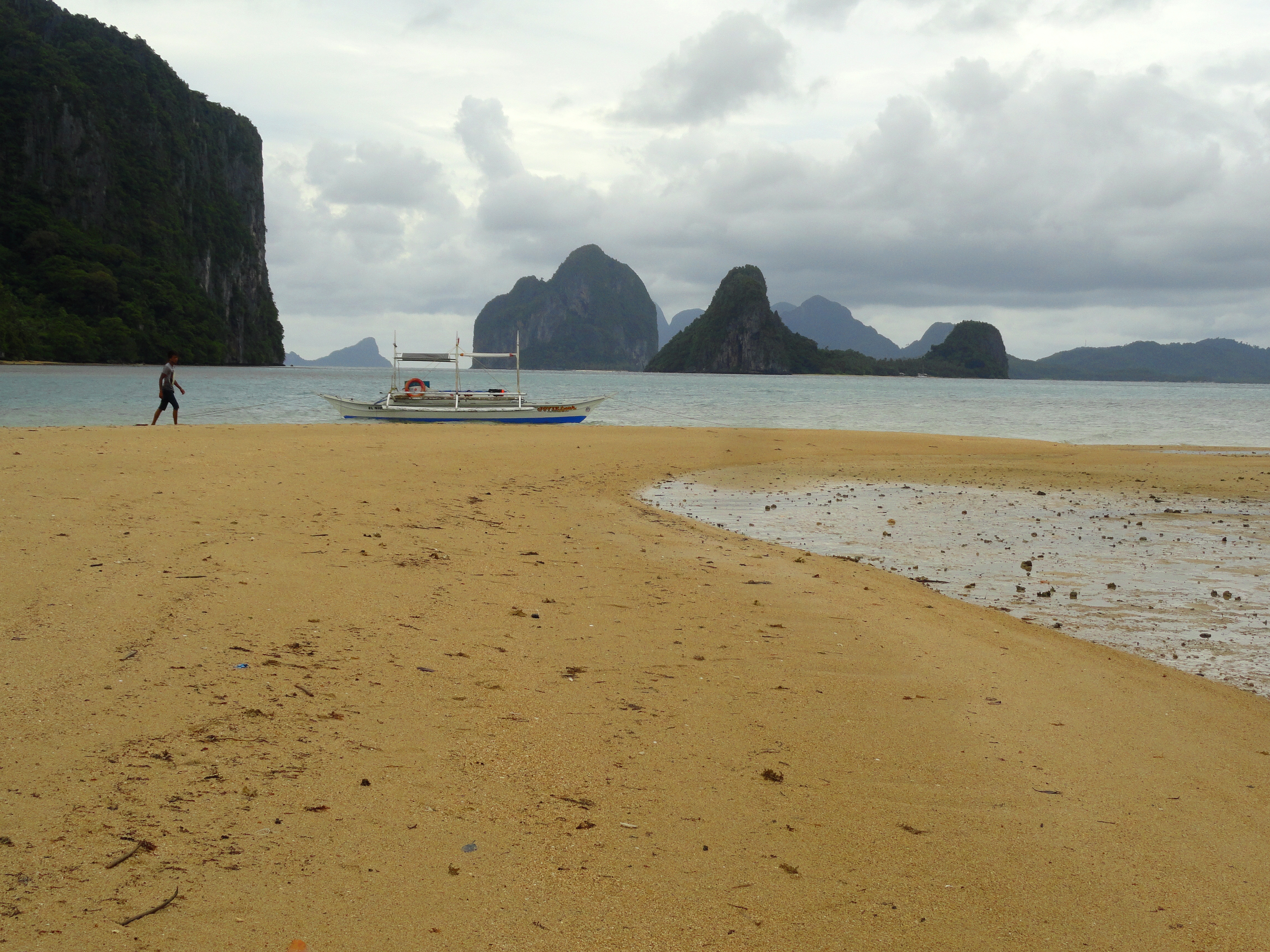
The Philippines is the largest archipelago country on earth that is still an insider secret. The way to see it is not a ferry schedule, it is a private bangka, a captain who lives there, and a sandbar that is yours until the tide turns.
The Standard
Most island hopping in the Philippines means a shared boat, a fixed route, and two hundred people descending on the same lagoon at eleven in the morning. The places are still world-class. The experience is not.
We build it differently: one private boat and crew held for your whole stay at a base, a route drawn around tides and weather rather than a laminated map, and departure times that put you at Big Lagoon before the first tour boat clears the pier. The famous sites are genuinely famous. They are simply better at seven in the morning.
The deeper advantage is the unnamed places. Between El Nido and Coron lies an island corridor most travellers only fly over: Linapacan's reefs, bays that charts barely name, sandbars that exist for two hours a day. A private boat is not a luxury here. It is the difference between seeing the Philippines and touring it.
The Island Circuits
Big and Secret Lagoons before the fleet arrives, Shimizu's reef, and lunch grilled on a quiet sandbar. The classic, done privately.
Kayangan's impossible blue, Twin Lagoon's thermocline, Barracuda Lake's thermals, and Tagbanua stewardship that keeps it all intact.
Powder sand, gradual drop-offs, and the slow afternoon that island-hopping is supposed to be. Pairs with a wrecks-and-lakes day.
Exotic Island, German Island, Twin Reef and the Starfish sandbar, world-class snorkelling at a third of El Nido's traffic.
Three islands in one day: a naked sandbar, a coconut-grove lunch island, and a postcard islet ringed by reef.
A marine sanctuary wall that drops past visibility, turtles on the drop-off, and dolphins on the crossing when the season is kind.
For Every Traveller
Reef circuits with gear included, guides who swim with you, and shallow lagoons where non-swimmers float on vests in waist-deep turquoise.
One island, one beach, one long afternoon. The boat waits, the crew grills lunch, and nobody checks a watch until the tide does.
First-light departures are not a preference here, they are the whole shot: golden karst, glass water, and no other boats in frame.
The three-to-four-day El Nido to Coron crossing by private catamaran or bangka, anchoring each night in a bay the ferries never see.
Planning Notes
Your Boat
One private boat and crew per base, held for your whole stay. Routes drawn around tide and weather on the morning, never laminated the night before.
Best Season
December to May is the dry window for Palawan and the Visayas: calm crossings, clear water. June to October brings the southwest monsoon; we route around it, not through it.
How Long
Three nights per base minimum. Island hopping is a rhythm, not a day trip: the second day at a reef is where the reef actually shows you anything.
The Crossing Option
Between El Nido and Coron lies a three-to-four-day expedition route through Linapacan that is one of the finest boat journeys in Asia, by private bangka or crewed catamaran.
Marine Fees
Lagoon and lake fees, sanctuary charges and environmental permits are real and per-site. We itemize them, confirm them in writing, and brief every operator before you arrive.
A Word on Crowds
Every famous lagoon has a convoy hour. Ours is a departure hour: first light, private pier, and the whole bay before anyone else's engine starts.
One day, not one week?
The same private boat and crew we build weeks around, run as a single day: Coron's lagoons and wreck snorkelling, El Nido's Bacuit Bay, Port Barton's quiet circuit, lunch grilled on board.
We build private island-hopping journeys around tides, seasons and your pace, from a three-night Bacuit Bay base to a multi-day expedition crossing. Tell us which water calls.
Start Planning Coron vs El Nido