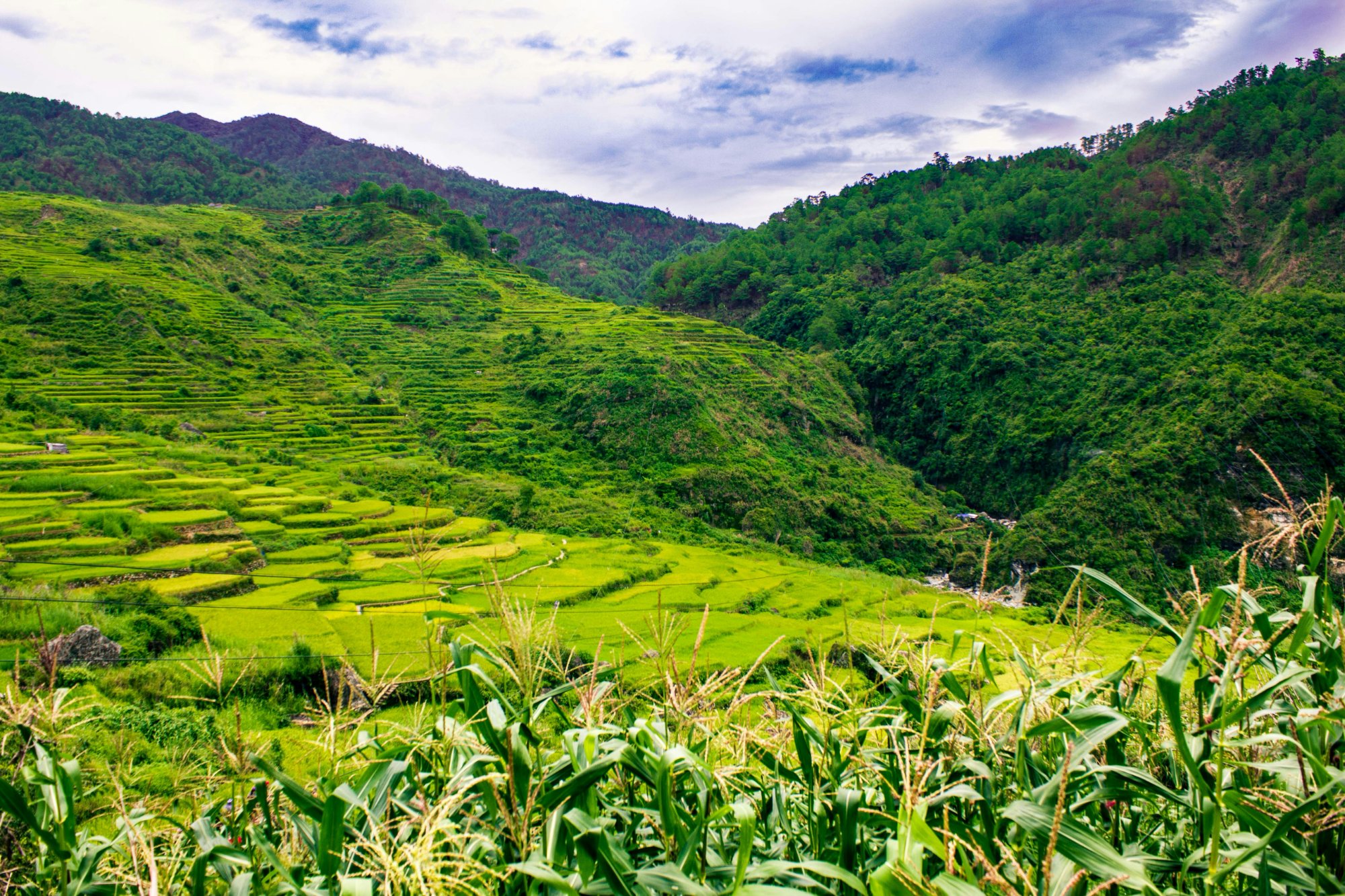
There is a bath in the foothills of the Sierra Madre that is not really a bath at all. It is a giant iron cauldron, kawa, the kind once used to boil sugar cane, filled with water heated over a wood fire, set on a deck with the whole mountain range spread out below it. Most travellers to the Philippines will never sit in it. Most itineraries never leave the coast long enough to find it.
The solo travellers who come to us are a specific kind of person. They have usually travelled alone before and liked it. They want a real hike, a genuinely strange and wonderful experience, food chosen deliberately rather than apologetically, and island days that end in the right sunset. And they want all of it without a group, without a schedule built for ten other people, and without having to explain themselves to anyone.
This itinerary is our answer to that brief. It starts in the mountains, in a barangay most visitors to this country have never heard of, and only reaches the sea once you've earned it.
Why the Mountains Come First
Almost every Philippines itinerary begins at the airport and ends at a beach. The coast is the country's headline, and it deserves it: 7,641 islands, and water the colour of things you'll spend the rest of your life trying to describe.
But the interior is where the country keeps its quieter self. Rizal province, two hours east of Manila, holds the Sierra Madre: the longest mountain range in the Philippines, and one of the least visited. Foreign visitors plan whole trips around Palawan or Boracay and never learn that a rainforest older than the Amazon's reputation sits an hour and a half from Makati.
The journeys we design that start inland do so for a reason. The first morning out of the city, the air changes before you notice the landscape doing it. By the time you reach the foothills, the traffic, the menus, and the pace of Manila belong to a different country.
The Journey, Day by Day
Day 1. Manila to the foot of the Sierra Madre. Out of Manila and into Rizal province, arriving by afternoon in the mountains. The evening is for the deck, the valley, and the first meal arranged around your diet rather than adapted to it.
Day 2. Daraitan: the trail, the river, the cave. A real hike, guided by someone from the barangay you're climbing through: a steep, rewarding trail to the summit, then down to Tinipak River, where white limestone formations and a hidden cave make the whole morning's effort worth it. The reward at the top appears suddenly, not gradually.
Day 3. A bath in a giant cauldron, and a food trip done right. Tanay's signature experience: a slow soak in a wood-fired kawa bath, Sierra Madre spread out below you, timed for the day your legs actually need it. For lunch, a vegetarian food trip built from what this province actually grows, not what a menu happens to allow.
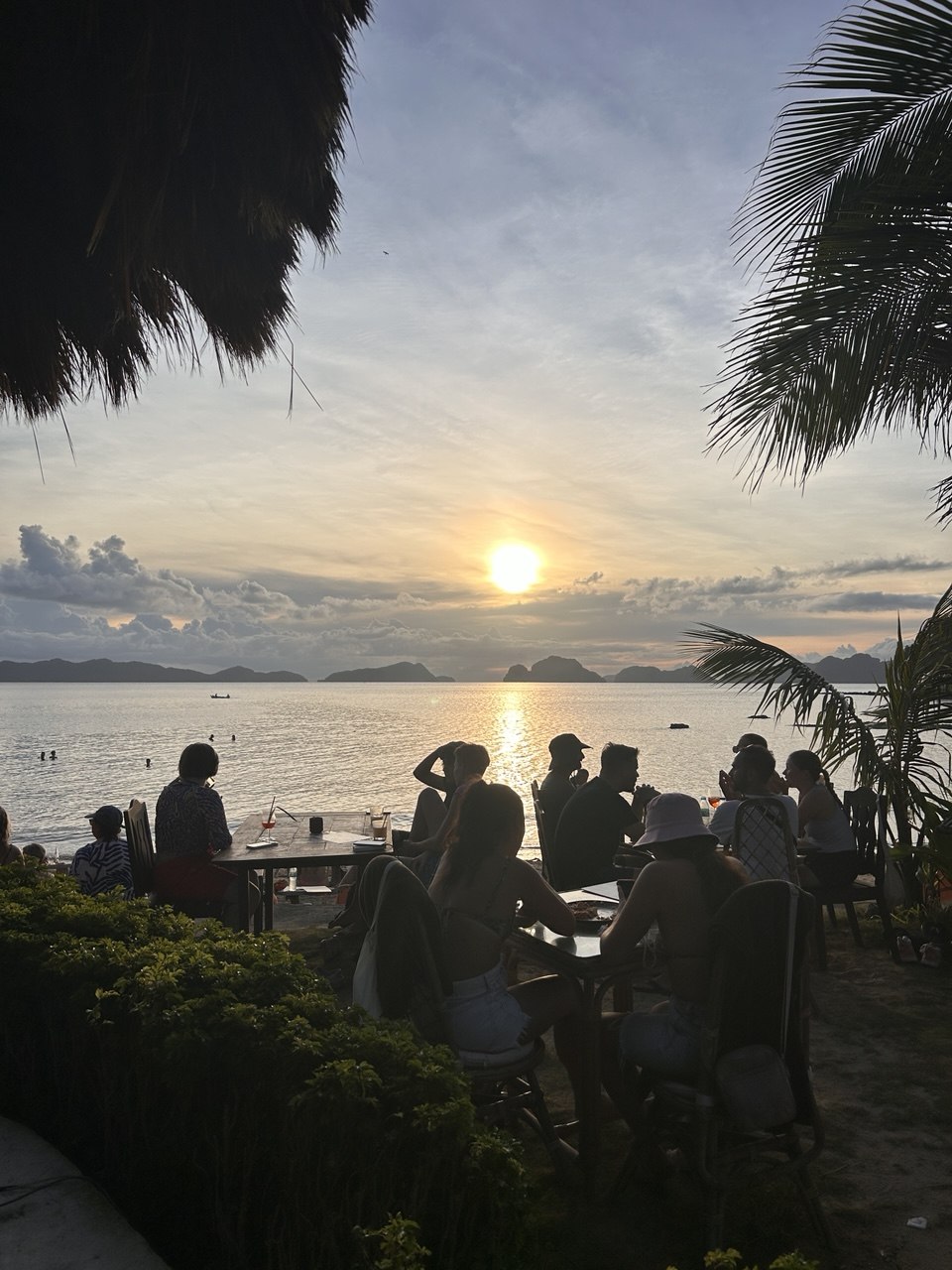
Day 4. South to Puerto Galera. A crossing from Batangas brings you to Mindoro's northern coast. Your first proper sea sunset of the trip, the bay turning gold as the karst islands catch the last light.
Day 5. Coral gardens and the reef sanctuaries. A day on the water: Coral Garden, the giant clam sanctuary, and a fish sanctuary within easy reach of Sabang. Lunch at a restaurant that treats vegetarian food as a real menu, not a special request.
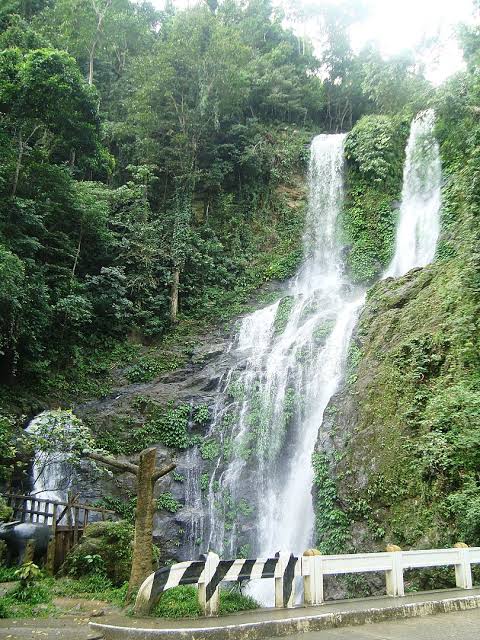
Day 6. Tamaraw Falls, then onward. A cool-water waterfall on the way out of Mindoro, then the transfer that carries you toward the closing chapter of the trip.
"Anyone can put a hot bath in an itinerary. Putting it where it belongs is the difference."
Choose How You'll Close the Journey
Three ways to spend your final three days, at three different paces of travel throughout. All three include the same six days above; what changes is how you move between them and where the story ends.
Option one: Boracay, getting there like a local. For the traveller who wants the real texture of getting around, not just the destinations. This version moves the way a well-connected local would: a short motorcycle transfer out of Manila to beat the traffic, then vans, jeepneys, a public ferry, and a budget flight for the rest. Your guide and every activity stay exactly the same as the other two options; only the journey between them changes character. Day 7 is an evening at what's widely agreed to be the island's best sunset vantage point, the terraces above Diniwid Beach. Day 8 moves among the quieter islands beyond White Beach, ending with dinner at the plant-based kitchen most Boracay regulars point to first.
Option two: Boracay, private throughout. The same nine days, with nothing left to public transport. A private vehicle and boat from the moment you land to the moment you leave, an upgraded guide for Daraitan who can talk you through the geology of the Sierra Madre rather than just point the way, and a private chef moment on your last evening in Tanay. The itinerary is identical in shape; the experience of moving through it is considerably smoother. Sunset from your own reserved table away from the crowds, a private boat charter timed to avoid the shared-boat queues, and a departure at whatever hour suits you.
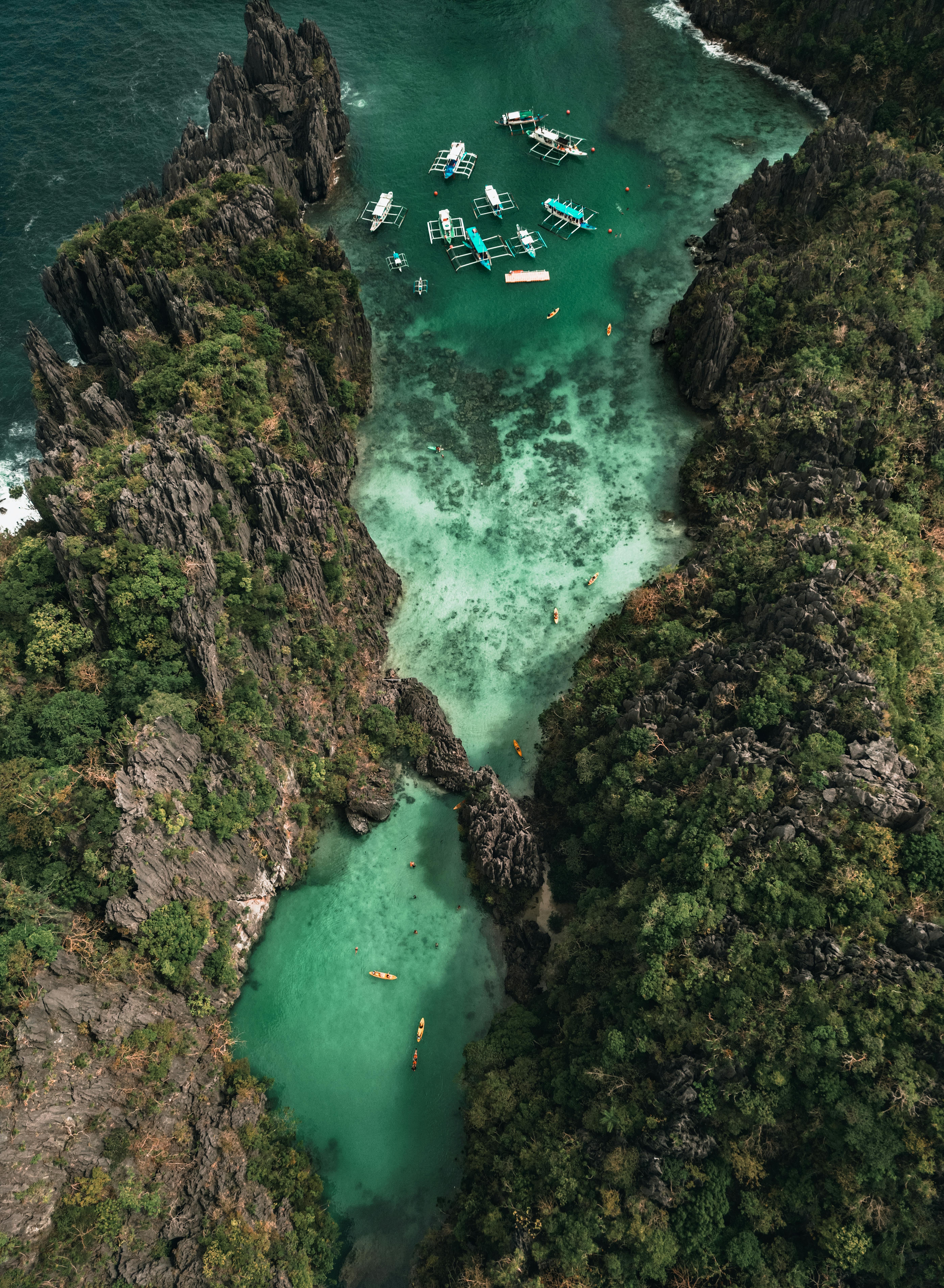
Option three: El Nido replaces Boracay. The same mountains-to-sea arc, closing instead in Palawan. Private throughout, exactly as option two, but the final chapter trades Boracay for El Nido: a private villa base in Corong-Corong, well outside the town centre, with direct private-boat access to the outer Bacuit Archipelago. The limestone walls rising straight from the water do double duty as the mountains of this closing leg. It's also, honestly, one of the best vegetarian and vegan destinations in the entire Philippines, which felt worth mentioning given how much food matters to you. The speedboat leaves at first light, and the lagoons are entirely yours for the first hour, before any other boat is out.
For Solo Travellers
Every version of this journey is private by default: your own guide, your own schedule, no group to join and no strangers to be placed with. Solo travellers get the same dedicated local guide and the same 24/7 contact as a group of eight. You travel alone in the sense that matters, on your own pace, and never in the sense that means unsupported.
A Food Trip, Done Right
Travelling vegetarian in the Philippines is easier than its reputation suggests and harder than a vegetarian first-timer expects, which is exactly why it needs a local who knows where to call ahead.
Tanay's signature experience is a vegetarian food trip built from what the province actually grows, not what a menu happens to allow. In Puerto Galera, lunch means a restaurant that treats plant-based cooking as a real menu rather than a special request. In Boracay, dinner is at the plant-based kitchen most Boracay regulars point to first. In El Nido, the closing dinners are arranged before you arrive.
None of this requires compromise. It requires a phone call in advance, which is our job, not yours.
Is the Philippines Safe for Solo Travellers?
It's the first question every solo traveller asks, and the honest answer is: with the right planning, yes, comfortably.
The parts of this journey are deliberately chosen from the calmest, most established corners of the country. Rizal, Batangas, Mindoro, Boracay, and El Nido all have years of practice hosting visitors, and the risks that genuinely matter, sea conditions, trail closures, remote-area transfers, are exactly the things a local operator checks the night before rather than the morning of. June crossings to the outer islands, for example, require a conversation with your captain about the sea state before you sleep, not after you wake.
What solo travellers actually need is not a bodyguard. It's someone who is expecting them at every arrival: the transfer booked, the guide briefed, the registration handled, the dinner table reserved. That is what "24/7 Arkipelago contact" means in practice. You will not be dropped at a pier and pointed in a direction. You travel alone in the sense that matters, on your own schedule, at your own pace, without a group, and never in the sense that means unsupported.
The Practicalities That Determine Whether It Works
When to go. November through May is the dry season, and the Batangas and Bacuit waters are at their calmest. The Sierra Madre hike is best in the same window; in the wet months the Tinipak River trail can close entirely after heavy rain.
How long. Nine days covers the full arc without rushing it. Six days works if you drop the closing leg and finish in Puerto Galera.
Getting there. Manila is the entry point for every version of this journey. Everything after the airport is arranged: transfers, the hike guide, registration fees, permits, the kawa session, and every meal reservation.
Dietary needs. Vegetarian, vegan, pescatarian, and allergy-aware menus are arranged at every stop as a matter of course, not as a special request. Tell us how you eat and we'll build it in from the first phone call.
What This Journey Is Really About
The solo travellers who come to us are not looking to disappear into a resort. They are looking to move through a country at their own pace, eat well, hike somewhere real, and watch the sun go down from the right spot. The Philippines rewards that kind of traveller better than almost anywhere else on earth, if someone who knows it builds the journey for you.
We design very few journeys that start in a mountain village before they reach an island. We think that is exactly why they work.
Frequently Asked Questions
Is the Philippines safe for solo travellers?
With the right planning, yes, comfortably. The risks that genuinely matter for solo travel in the Philippines, sea conditions, trail closures, and remote-area transfers, are exactly the things a local operator checks the night before rather than the morning of. What solo travellers actually need is someone expecting them at every arrival: the transfer booked, the guide briefed, the registration handled, the dinner table reserved.
Can you travel solo in the Philippines vegetarian?
Travelling vegetarian in the Philippines is easier than its reputation suggests and harder than a first-timer expects, which is why it needs a local who knows where to call ahead. Vegetarian, vegan, pescatarian, and allergy-aware menus are arranged at every stop as a matter of course, not as a special request.
How many days do you need for a solo journey through the Philippines?
Nine days covers a full mountains-to-sea arc, from the Sierra Madre foothills east of Manila through Puerto Galera to a closing island leg, without rushing it. Six days works if you drop the closing leg and finish on the coast.
Tell us when you'd like to disappear.
Every Arkipelago journey begins with a conversation. We'll respond within 24 hours.
Begin Your Journey
Related reading: Private Tours in the Philippines: What They Actually Look Like · Three Journeys Through the Philippines · Puerto Galera Diving Tour