Private Tours in the Philippines: What They Actually Look Like
By Kathy Hingan · April 1, 2026 · 10 min read
Most people who search for private tours in the Philippines already know what they don't want. They've read enough to know that the lagoons of Palawan are now visited by fifty boats at once. They've heard about the queues at the sandbars, the loudspeakers on the lunch islands, the guides who are clearly managing six separate groups at the same time while still managing to give the impression of personal attention. They are not interested in any of that.
What they want — what they are actually searching for when they type those words into a browser — is something that bears almost no resemblance to the group tour model. They want a journey that belongs to them. One designed around their pace, their interests, their idea of what this country can offer. And they want someone who actually knows the archipelago — all 7,641 islands of it — to design it.
This is what a genuine private tour of the Philippines actually involves. Not the marketing version. The real one.
The Difference Begins Before You Arrive
A private guided tour in the Philippines does not begin at the airport. It begins weeks — sometimes months — before the first flight is booked. It begins with a conversation about who is travelling, what has moved them before, what they have already seen and found wanting, and what they have quietly imagined a journey like this could be.
The itinerary that emerges from that conversation is not a template with names inserted. It is a document that could only have been written for this specific group of people, at this specific point in their lives. The couple who want to spend four days doing almost nothing on a deserted island in the Calamian Group get a different journey from the couple who want four days of wreck diving those same waters. The family with a six-year-old and a twelve-year-old get a different journey from the family whose youngest child is fifteen.
That specificity — knowing not just which destinations to include but in what sequence, at what pace, and with which local guides — is what separates a private itinerary planner from an online booking platform. The platform gives you options. A genuine planner gives you a journey that fits.
What Private Actually Means on the Water
In the Philippines, where so much of the most extraordinary travel happens by sea, the question of what "private" means on the water matters enormously.
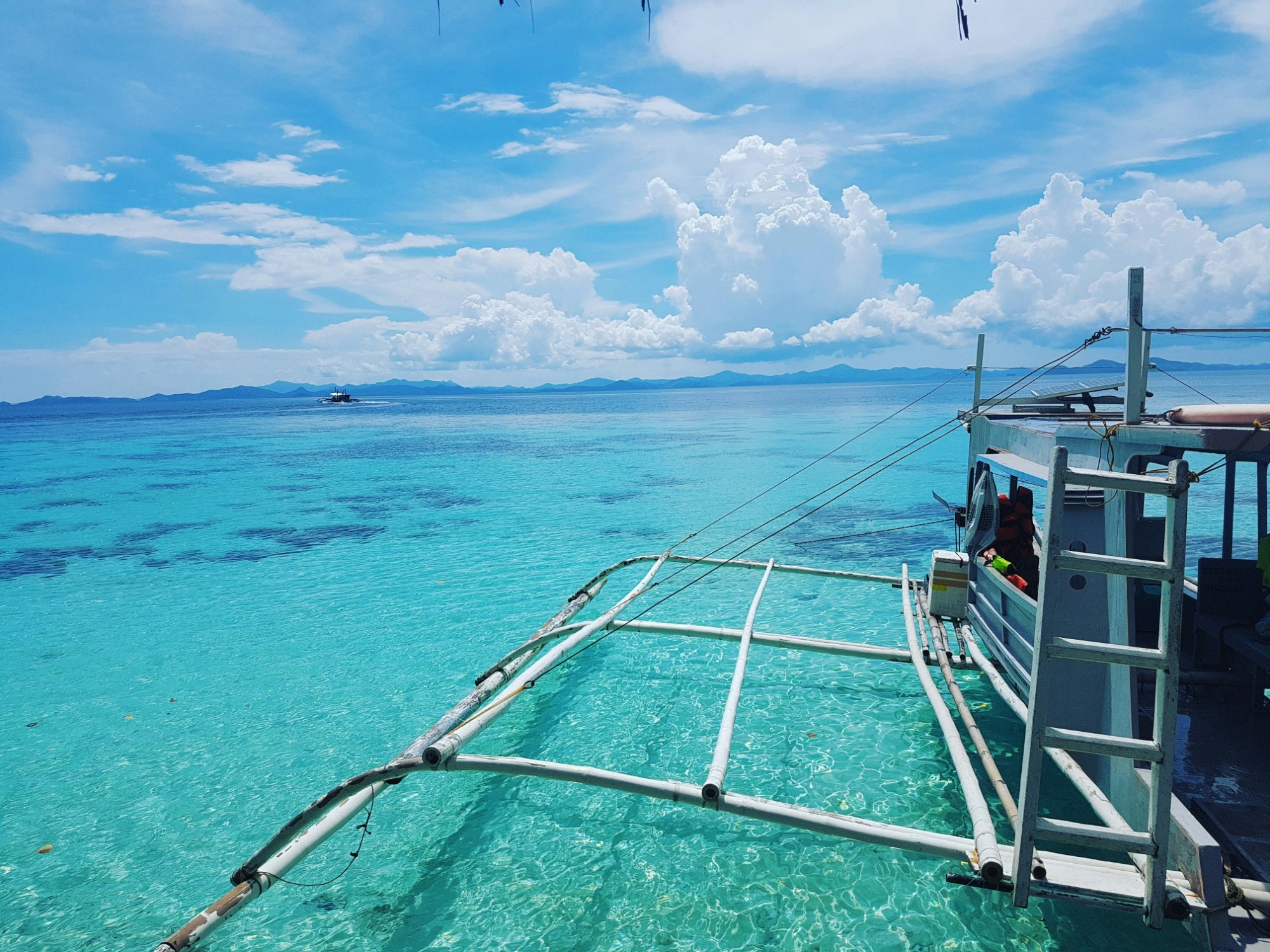
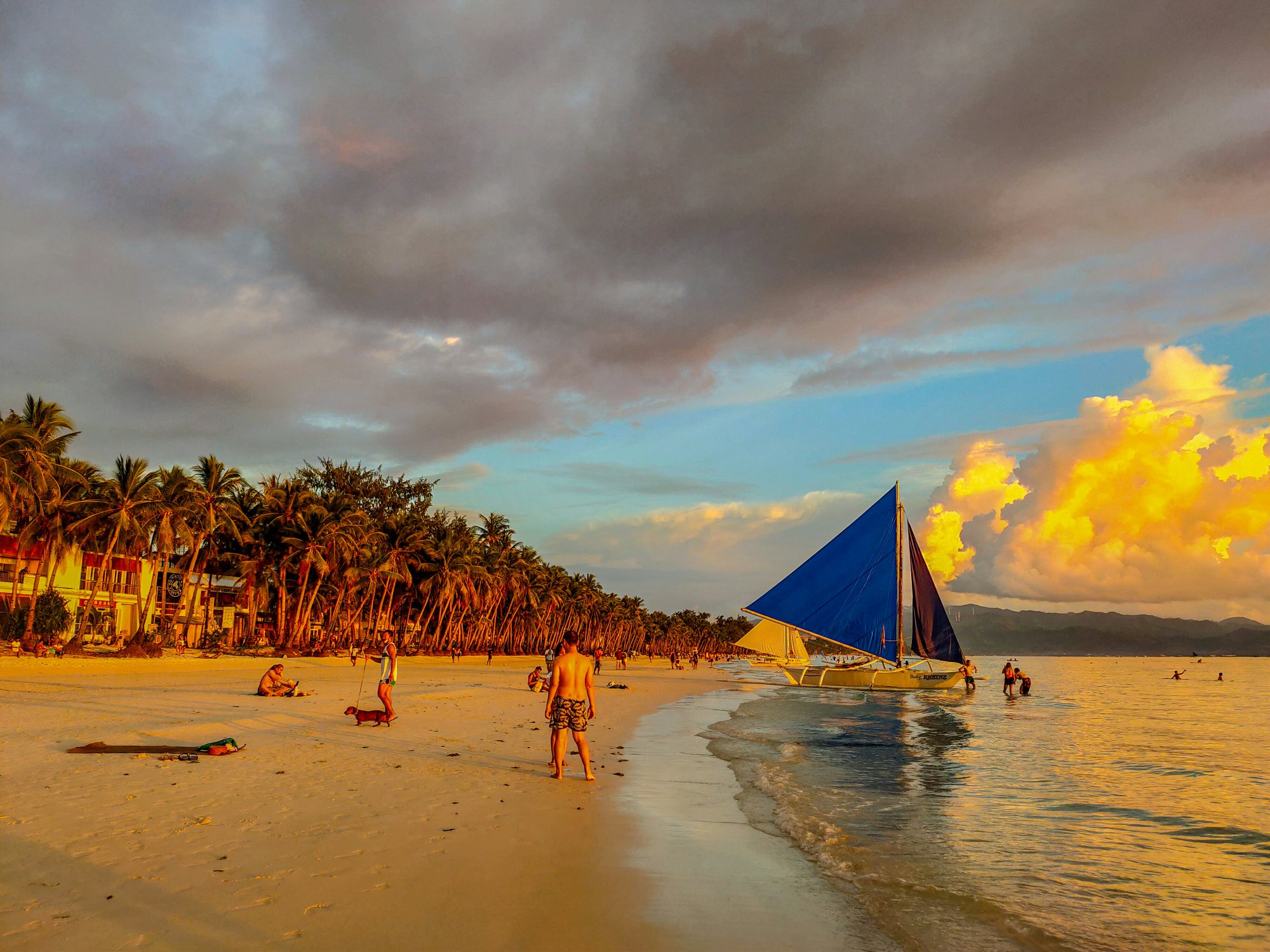
A private vessel does not mean a slightly nicer version of the shared bangka that leaves the main pier at 9am with twenty other passengers. It means your own boat, your own crew, and your own schedule. You leave when you want to leave — which, if your guide is worth their experience, will almost always be at dawn, before the other boats have left the harbour. You reach the island first. You swim in the lagoon alone. You eat lunch on a sandbar that belongs, for that hour, entirely to you.
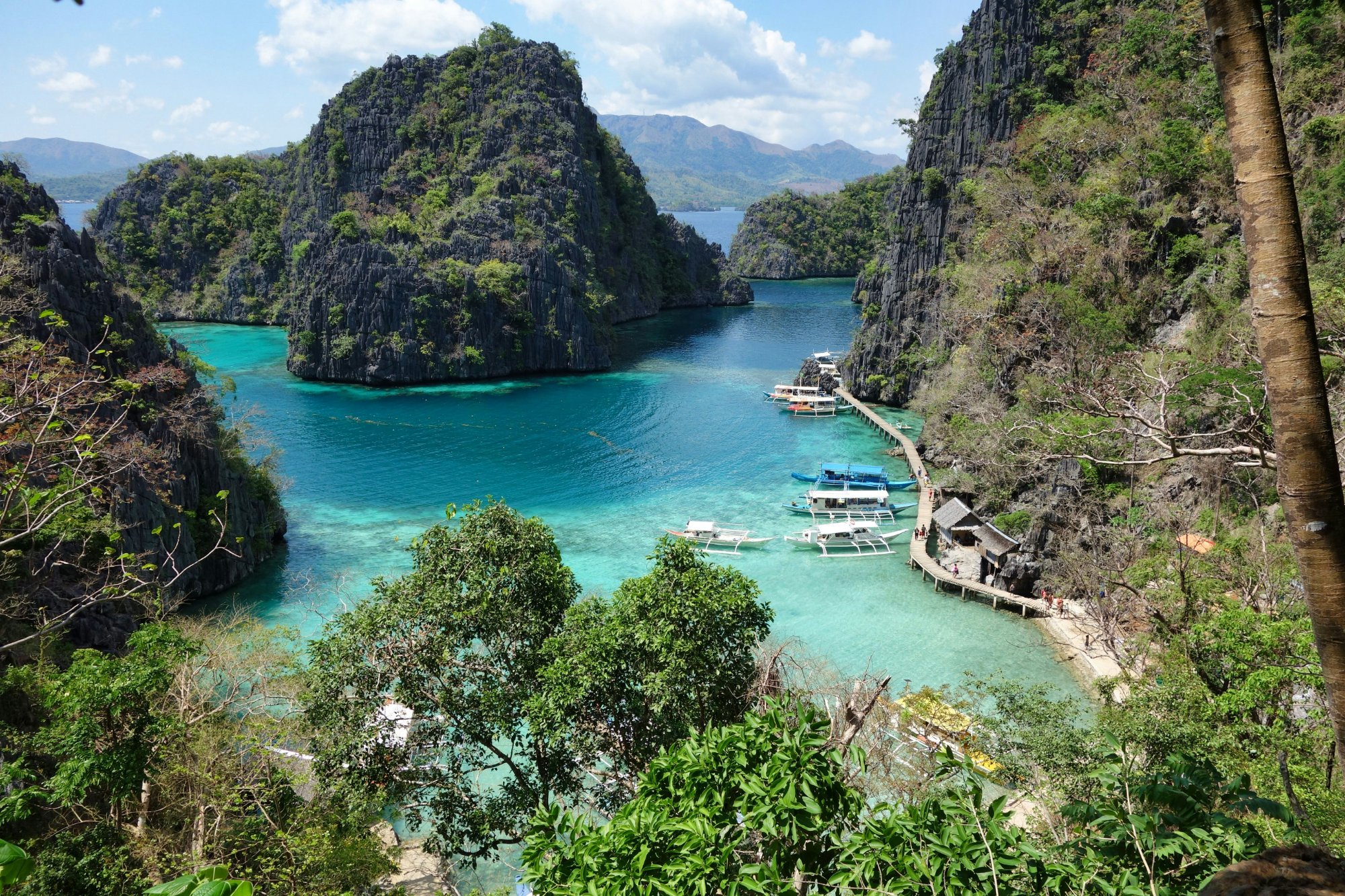
Kayangan Lake in Coron is one of the clearest bodies of water in Asia — a lake that sits enclosed by limestone karst, accessible only by a short hike over a ridge. The view from the top of that ridge appears suddenly, not gradually — one step you are climbing through rock and vegetation, the next the entire lake is below you, turquoise and completely still. On a private departure at 6am, that view is yours alone. By 10am, there will be thirty boats in the bay below and a queue on the path. The difference between those two experiences is not a matter of degree. It is a different journey entirely.
Your own vessel, your own schedule — the Calamian Group, Palawan
"The difference between a good journey and an extraordinary one is almost never the destination. It is the knowledge behind the planning."
The Guide Is the Journey
No element of luxury travel in the Philippines makes more difference than the person beside you.
A guide who has spent their life in these waters — who knows the captain they'd trust in open sea and the one they wouldn't, who knows that the weather window for crossing to the outer Calamian islands narrows from mid-morning and that you need to check the sea state with your captain the night before rather than the morning of — brings something that no amount of pre-trip research can replicate. They bring the kind of knowledge that is only assembled through years of actual presence.
The best guides in the Philippines are not walking encyclopaedias. They are people who have genuine relationships with the places they take you through. The fisherman who will take you out at 4am is their neighbour. The family whose home you eat lunch in is someone they have known for years. That web of relationships is what allows access to the Philippines that sits behind the photographs — the experiences that are not on any tour operator's website because they cannot be scaled, standardised, or replicated.
When we design a private guided tour of the Philippines, the guide assignment is not an afterthought. It is the first decision we make.
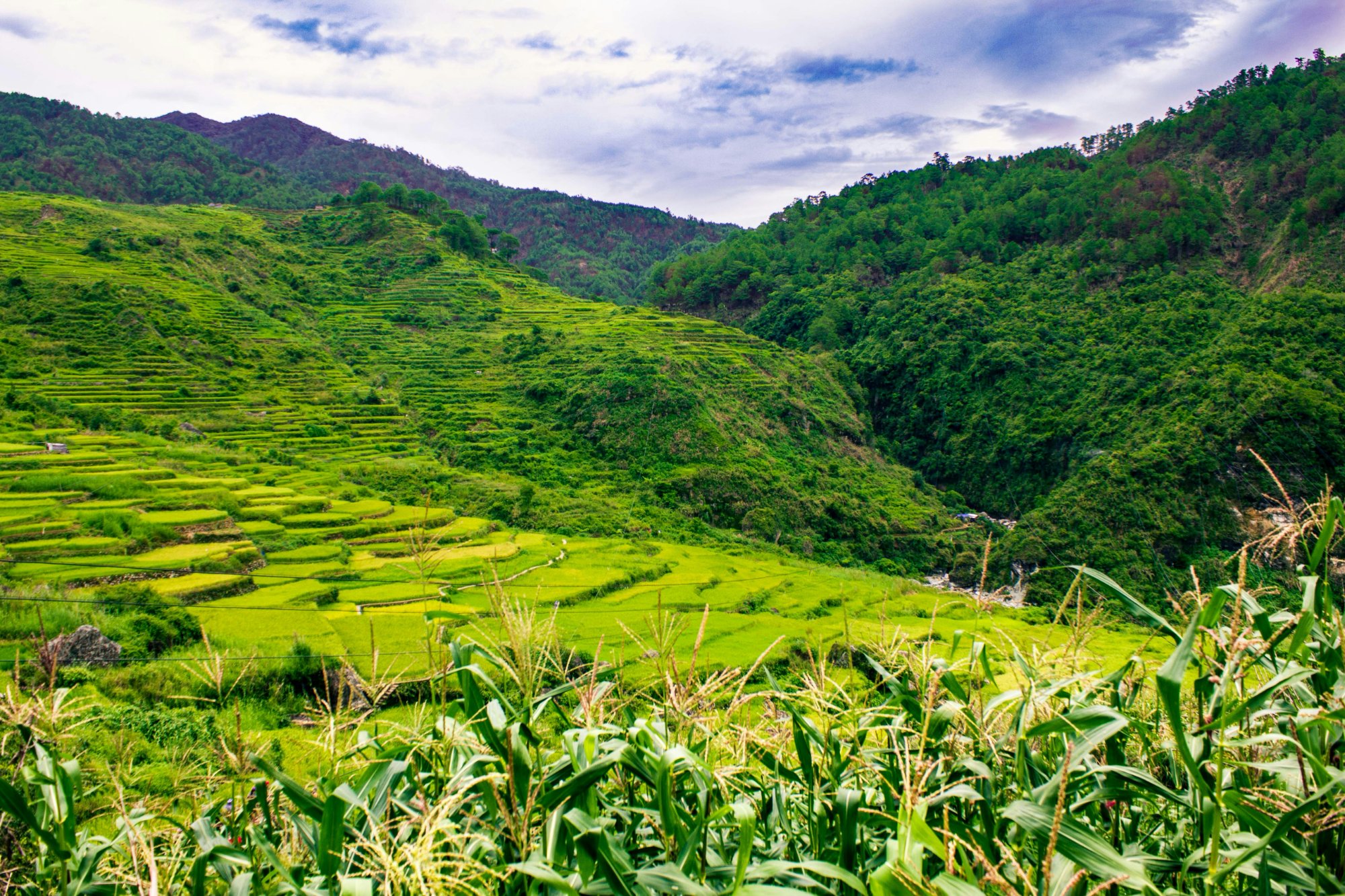
The Cordillera highlands, Northern Luzon — a guide with genuine local knowledge changes what you see and understand
The Destinations That Private Travel Opens
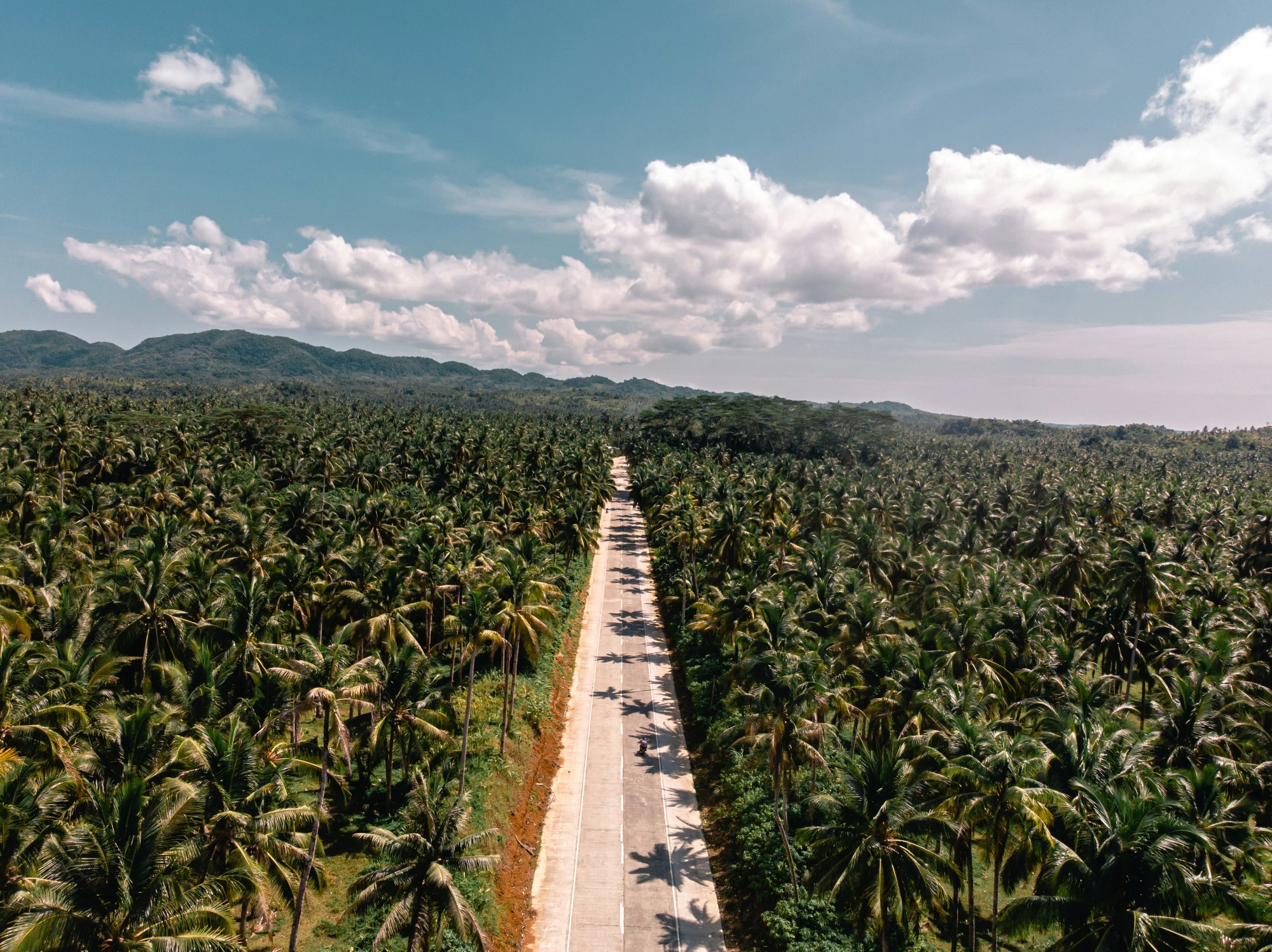
There is a version of the Philippines that mass tourism has reached, and a version it has not. Private tours in the Philippines exist, in large part, to navigate the space between those two versions.
Coron in northern Palawan gives everything that El Nido promised before the group tours arrived — limestone karsts, extraordinary water, dramatic seascapes — with a fraction of the visitors and two experiences El Nido cannot offer: the Second World War Japanese shipwrecks in the Busuanga Strait, which are among the finest wreck diving sites in the world, and Kayangan Lake itself. Coron town still has the character of a working fishing village. That character is rarer than any landscape.
Port Barton, accessible only by a three-hour road from Puerto Princesa or an infrequent boat, remains almost entirely undeveloped. The bay is circled by forested karst islands with no construction on them. For travellers who ask what El Nido used to be like twenty years ago, Port Barton is the answer.
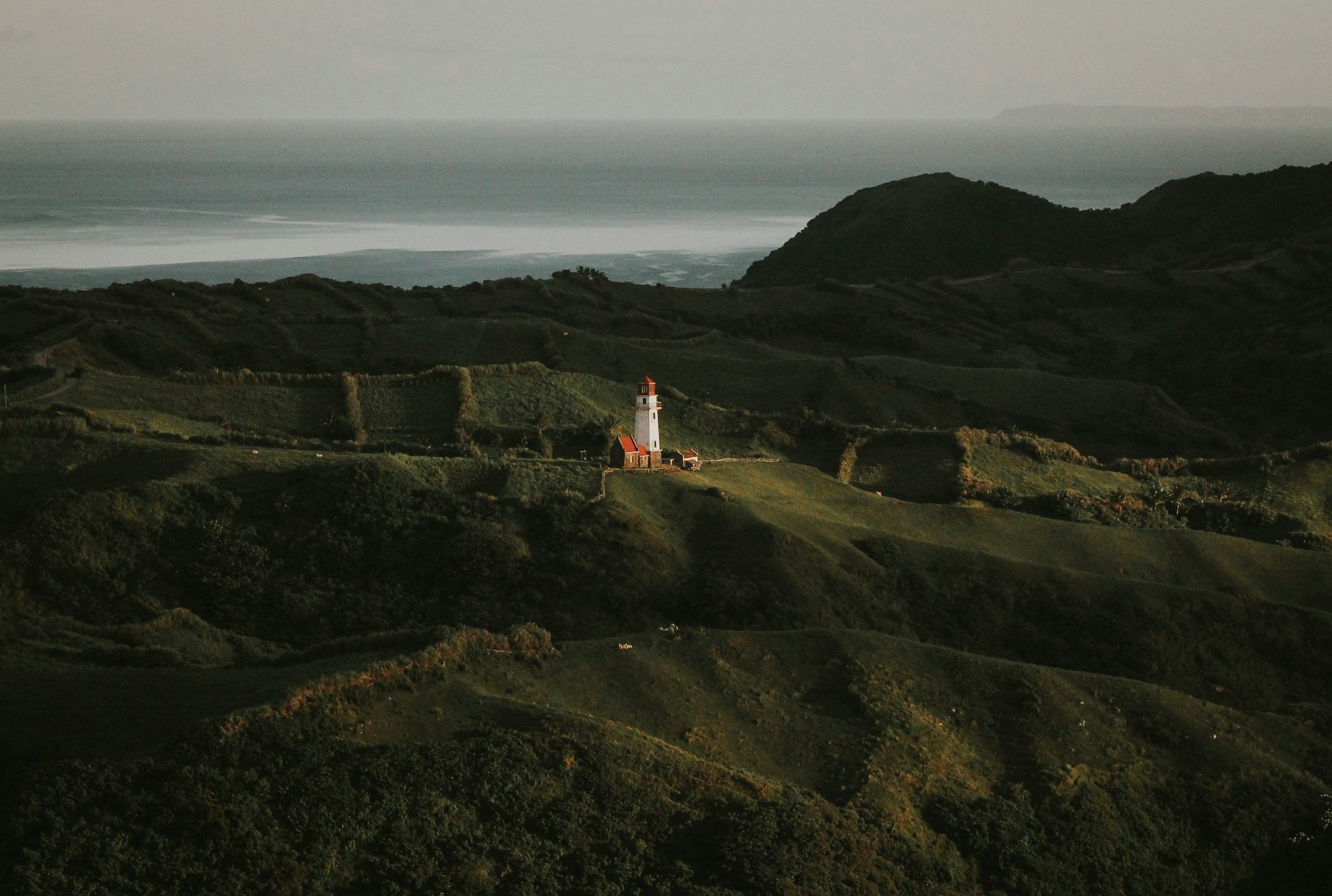
Batanes, in the far north, is accessible only by small propeller aircraft from Manila or Tuguegarao. The Ivatan people, their traditional stone houses built to withstand typhoon-force winds, the rolling hills that look more like the west coast of Ireland than Southeast Asia — it is genuinely unlike anywhere else in the Philippine archipelago.
Siargao beyond Cloud 9 — the private mangrove systems accessible only by small boat at high tide, the tiny island of Guyam that appears on no official map, the outer islands between Siargao and Bucas Grande where almost no visitors go — offers a version of the island that the surf crowd never reaches.
For Independent Travellers
The travellers who get the most from a private journey in the Philippines are almost always the ones who come having already done the famous places and found them wanting. They are looking for the version of the archipelago they couldn't find on their own. That version exists. It requires knowing where to look — and who to ask.
PalawanCoron & Port Barton
Far NorthBatanes
MindanaoSiargao
What a Private Itinerary Planner Actually Does
There is a version of "private tour planning" that amounts to making a booking on your behalf and handing you a printed schedule. That is not what we mean.
A genuine private itinerary planner for the Philippines does the work that no amount of independent research can fully replicate: they carry 30 years of personal journeys across the archipelago and the network of relationships those years have built. They know that the crossing from Coron town to Sangat Island takes forty-five minutes in calm conditions and should not be attempted in June without checking with the captain the previous evening. They know which accommodation photographs beautifully and which actually delivers on those photographs. They know that the Chocolate Hills of Bohol are extraordinary at 6:30 in the morning and genuinely diminished by 9am when the other vehicles arrive.
They also know when to say no to a destination — not because it isn't beautiful, but because the conditions or the timing make it the wrong choice for this particular journey. The willingness to redirect is one of the marks of a planner who is genuinely working in your interest.
The planning process for a private journey with Arkipelago begins with a conversation — not a form, not a set of tick-boxes, but a conversation about what you are looking for and what you have found wanting elsewhere. From that conversation, a journey takes shape. It is adjusted until it fits. Nothing is booked until you are certain.
Tell us what you're imagining.
Every Arkipelago journey begins with a conversation. We'll respond within 24 hours.
The Practicalities That Determine Whether It Works
Seasonality in the Philippines is not uniform. The northeast monsoon that makes Siargao rough from November through February leaves the west coast of Palawan untouched. The southwest monsoon that closes Port Barton from June through October is the same season during which Batanes and the Visayas are at their finest. A well-designed private journey works with the Philippine weather system, not against it — routing between destinations in a sequence that keeps the best conditions at every stop.
Domestic flight connections in the Philippines require knowledge to navigate well. The route from Batanes to Coron involves Manila — and Manila's airports, managed correctly, can mean a seamless connection or a wasted day depending on which terminal you use and how the timing is structured. These are not problems a good planner presents to you. They are problems that are solved before you see the itinerary.
Accommodation at the genuine top of the market in the Philippines is found in places that do not always appear in the standard luxury travel directories. Sangat Island in the Calamian Group. Nay Palad Hideaway in Siargao. A private villa in the hills above Vigan. These properties require lead time to secure and local relationships to access at their best.
What Luxury Travel Philippines Means in Practice
Luxury in the context of the Philippines is rarely about marble lobbies or a particular thread count, though both have their place. It is primarily about access and ease.
It is the ease of knowing that every transfer, every vessel, every meal context has been thought through before you land. It is the access of reaching the lake before anyone else does, of sitting on a sandbar that is genuinely empty, of watching the Chocolate Hills from a viewing platform that your guide knows gives the best sightline — away from the main observation deck, with a perspective that most visitors never find.
The Philippines contains multitudes: ancient highland cultures that have survived centuries intact, colonial heritage cities that are among the finest in Asia, waters the colour of things you will spend the rest of your life trying to describe. Getting to the best of it requires the right approach. Private tours of the Philippines, designed by people who genuinely know this country and care about getting it right for each specific traveller, are how the best of it is accessed. That is what they actually look like.
Frequently Asked Questions
What is included in a private guided tour in the Philippines?
A genuinely private guided tour in the Philippines includes a dedicated local guide for the full duration of your journey, private vessels for all sea transfers, private ground transport, and a custom day-by-day itinerary designed around your interests and pace. There are no other guests, no shared schedules, and no fixed departure times. Every element — from which islands you visit to when you eat lunch — is determined by you and your guide, not by a group consensus.
How is a private itinerary planner different from booking independently?
A private itinerary planner does the work that independent research cannot — they know which captain to trust in open water, which island is completely empty at dawn versus overrun by mid-morning, and which accommodation actually delivers on its photographs. The Philippines spans 7,641 islands across dozens of distinct regions. The difference between a good journey and an extraordinary one is almost never the destination — it's the knowledge behind the planning.
Which destinations in the Philippines work best for a private tour?
Coron and Port Barton in Palawan, Batanes in the far north, Siargao beyond its famous surf break, Bohol and Cebu in the Visayas, and the highland routes through Baguio, Sagada, and Vigan each reward private travel enormously — but only when approached with genuine local knowledge. The destinations most rewarding for private travel are rarely the ones on the cover of a travel magazine. They are the ones behind them.
Begin Your Private Journey Through the Philippines
No fixed itineraries. No price lists. Just a conversation with people who know these islands — and who will design a journey that belongs entirely to you.